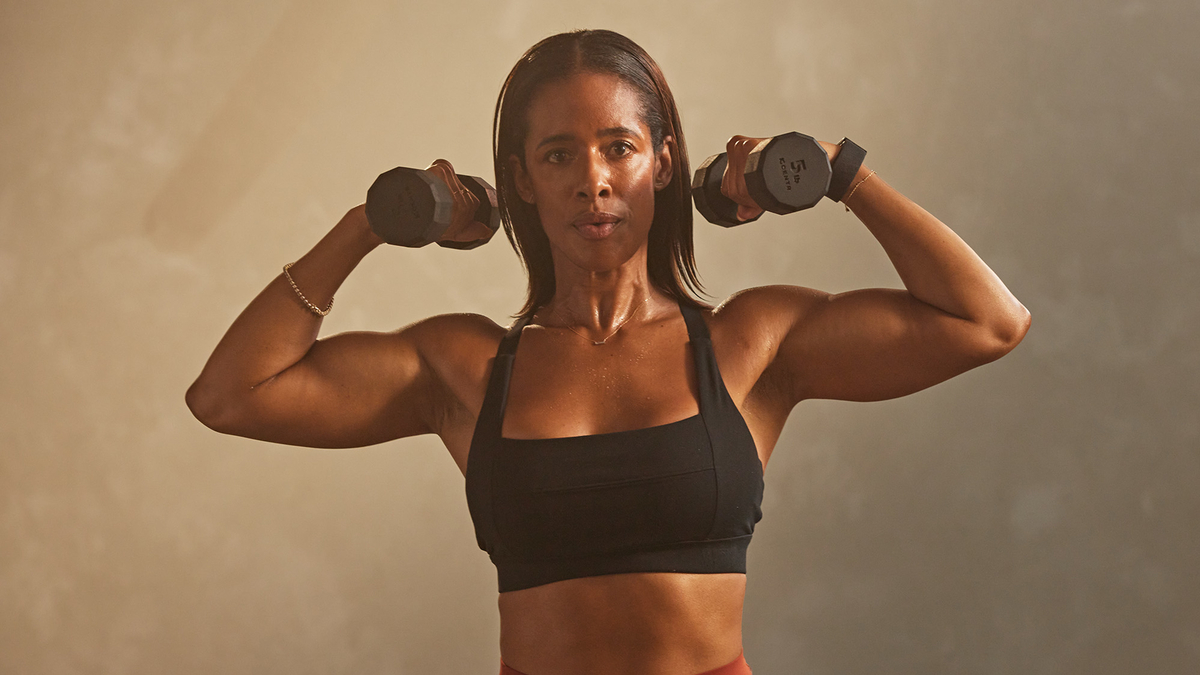
If you're a woman over 50 who's started going to the gym — first of all, well done. Showing up is half the battle, and the fact that you're investing in your health and strength is incredible.
But here's the thing: a lot of women over 50 fall into the same traps when they start training. And these mistakes don't just slow your progress — they can actually work against you.
Let's break down the 3 most common mistakes I see women making at the gym, and what to do instead.
1. Too Much Cardio
This is the biggest one. So many women walk into the gym and head straight for the treadmill, the cross-trainer, or the bike — and stay there for 45 minutes to an hour. Every. Single. Session.
I get it. Cardio feels like you're "doing something." You're sweating, your heart rate's up, and it feels productive. But here's what most women don't realise:
Too much cardio can actually lead to muscle loss.
After 50, we're already fighting against natural muscle decline (sarcopenia). If the majority of your gym time is spent on cardio, you're burning calories — but you're not giving your body the signal it needs to build or maintain lean muscle. And muscle is what keeps your metabolism firing, your bones strong, and your body functional as you age.
Excessive cardio can also lead to:
- A slower metabolism over time
- Increased cortisol (your stress hormone)
- Less strength gains
- Greater risk of overuse injuries
What to do instead: Keep cardio to 2–3 shorter sessions per week (20–30 minutes), and prioritise resistance training for the rest of your gym time. Walking is a great low-impact cardio option that won't eat into your recovery. Think of cardio as the side dish — not the main course.
2. Not Lifting Heavy Enough
This one goes hand-in-hand with the first mistake. Even when women do pick up weights, they often reach for the lightest dumbbells on the rack — the 1kg or 2kg ones — and do endless reps without ever feeling challenged.
Here's the truth: lifting light weights won't challenge your muscles enough to make them grow.
Your muscles need progressive overload to adapt. That means you need to gradually increase the weight, reps, or intensity of your exercises over time. If you've been using the same 2kg dumbbells for months and the exercises feel easy, your body has already adapted — and you've stopped making progress.
I know the fear. "I don't want to get bulky." "I'm worried I'll hurt myself." But here's what actually happens when you lift heavier:
- You build lean, toned muscle (not bulk — women don't have the testosterone for that)
- Your bones get stronger (critical for preventing osteoporosis)
- Your metabolism increases
- You feel more confident and capable in everyday life
What to do instead: Choose a weight that feels challenging by the last 2–3 reps of each set. If you can easily do 15 reps without any effort, the weight is too light. Start with compound movements like squats, rows, and presses — these give you the most bang for your buck. And don't be afraid to ask for help or hire a trainer to check your form.
3. Ignoring Protein & Recovery
Get your FREE 7-Day Beginner Workout Plan
A gentle, progressive week of strength, cardio, flexibility and balance — designed just for women over 50. Pop in your details and I'll send it straight away. 💪
You can train perfectly in the gym, but if you're not fuelling your body properly and giving it time to recover, you're leaving results on the table.
Protein is the building block of muscle. Without enough of it, your body simply can't repair and rebuild the muscle fibres you've broken down during training. And after 50, your body becomes less efficient at using protein (a process called anabolic resistance), which means you actually need more protein than you did when you were younger.
Most women over 50 are eating nowhere near enough. A piece of chicken at dinner isn't going to cut it.
Here's what not eating enough protein looks like:
- You train hard but your body doesn't change
- You feel tired and run-down
- You lose weight but it's muscle, not fat
- Recovery takes forever
What to do instead: Aim for 1.2–1.6g of protein per kilogram of body weight spread across the day. That means including a good protein source at every meal — eggs, Greek yoghurt, chicken, fish, tofu, or a quality protein powder. And don't skip rest days. Your muscles grow during recovery, not during the workout itself.
The Bottom Line
These three mistakes are incredibly common — and the good news is, they're easy to fix once you know about them. Here's a quick summary:
- Cut back on excessive cardio and make resistance training your priority
- Lift heavier weights that actually challenge your muscles
- Eat enough protein and respect your rest days
Getting fit after 50 isn't about doing more — it's about doing the right things. Small changes in your approach can lead to massive results over time.
You've already taken the hardest step by showing up. Now let's make sure every session counts. 💪
Get your FREE 7-Day Beginner Workout Plan
A gentle, progressive week of strength, cardio, flexibility and balance — designed just for women over 50. Pop in your details and I'll send it straight away. 💪