Menopause is a natural part of life — but the symptoms that come with it can feel anything but natural. Hot flushes, anxiety, disrupted sleep, joint stiffness, and mood swings can make everyday life feel like an uphill battle.
The good news? Regular exercise is one of the most effective, medication-free ways to manage menopause symptoms. Research consistently shows that women who stay active during menopause experience fewer and less severe symptoms.
Here are five of the best exercises to help you feel more like yourself again.
1. Brisk Walking
Walking might seem simple, but it’s one of the most researched and effective exercises for menopause symptom relief. A brisk 30-minute walk most days of the week has been shown to:
- Reduce the frequency and intensity of hot flushes by improving your body’s thermoregulation
- Boost mood and reduce anxiety through the release of endorphins
- Support healthy weight management — especially important as metabolism slows during menopause
- Improve cardiovascular health, which becomes a bigger priority post-menopause
How to start: Aim for 30 minutes at a pace where you can talk but not sing. Walk outdoors when possible — natural sunlight also helps regulate your sleep cycle.
2. Yoga & Deep Breathing
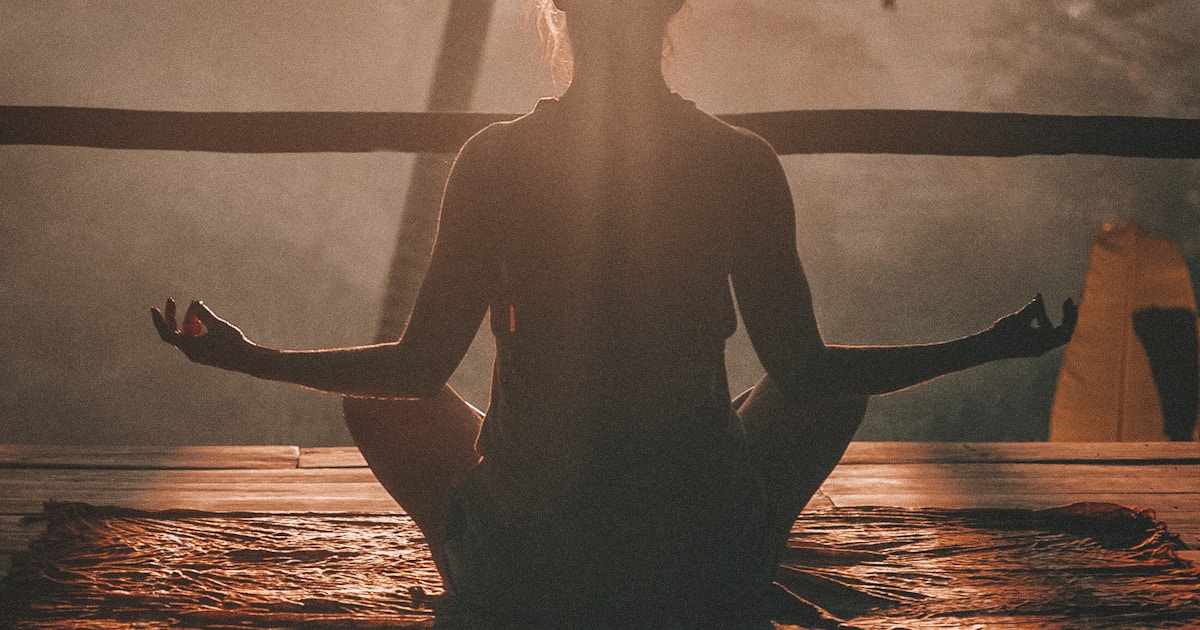
Yoga is a powerhouse for menopause relief, combining gentle movement with breathwork and mindfulness. Studies show yoga can help with:
- Sleep quality — restorative poses before bed can reduce insomnia
- Stress and anxiety — deep breathing activates your parasympathetic nervous system
- Hot flush management — cooling breathwork techniques like Sitali can provide relief
- Joint stiffness — gentle stretches keep you flexible and mobile
Best styles for menopause: Hatha, Yin, and Restorative yoga are ideal. Avoid hot yoga, which can trigger hot flushes.
3. Strength Training
Strength training is non-negotiable during menopause. As oestrogen levels drop, you lose bone density faster and muscle mass declines. Lifting weights helps:
- Protect bone density — resistance exercises stimulate bone-building cells
- Preserve and build lean muscle, which keeps your metabolism active
- Improve body composition — reducing the visceral fat that tends to accumulate around the midsection during menopause
- Boost confidence and mental health — there’s nothing quite like feeling strong
How to start: Two to three sessions per week using dumbbells, resistance bands, or bodyweight exercises. Focus on compound movements like squats, deadlifts, rows, and presses.
4. Swimming & Water Aerobics
Get your FREE 7-Day Beginner Workout Plan
A gentle, progressive week of strength, cardio, flexibility and balance — designed just for women over 50. Pop in your details and I'll send it straight away. 💪
If joint pain or stiffness is one of your main menopause complaints, water-based exercise is your best friend. The buoyancy of water supports your joints while still providing excellent resistance training.
- Zero-impact cardio — perfect for sore knees, hips, or shoulders
- Natural cooling effect — exercising in water helps manage hot flushes during workouts
- Full-body workout — water provides resistance in all directions
- Social connection — group water aerobics classes are a great way to meet like-minded women
Tip: Look for women-only water aerobics classes at your local pool — they’re usually designed with our age group in mind.
5. Tai Chi
Often described as “meditation in motion,” Tai Chi combines slow, flowing movements with deep breathing and mental focus. It’s particularly beneficial during menopause because it:
- Reduces stress hormones like cortisol, which can worsen menopause symptoms
- Improves balance and coordination — reducing fall risk as we age
- Supports better sleep — regular practice has been linked to improved sleep quality
- Eases joint pain — the gentle, low-impact movements are kind to your body
How to start: Look for beginner Tai Chi classes in your community or follow along with online videos. Even 15 minutes a day can make a noticeable difference.
How Often Should You Exercise During Menopause?
The sweet spot for most women is:
- 150 minutes of moderate cardio per week (walking, swimming, cycling)
- 2–3 strength training sessions per week
- Daily stretching or yoga (even just 10–15 minutes)
Listen to your body. Some days you’ll feel energised and ready for a challenging session. Other days, a gentle walk or restorative yoga class is exactly what you need. Both count.
The Bottom Line
Menopause symptoms are real, but they don’t have to control your life. Moving your body regularly — in ways that feel good to you — is one of the most powerful tools you have. Start with one or two of these exercises and build from there.
You don’t need to be perfect. You just need to start. 💪
Get your FREE 7-Day Beginner Workout Plan
A gentle, progressive week of strength, cardio, flexibility and balance — designed just for women over 50. Pop in your details and I'll send it straight away. 💪