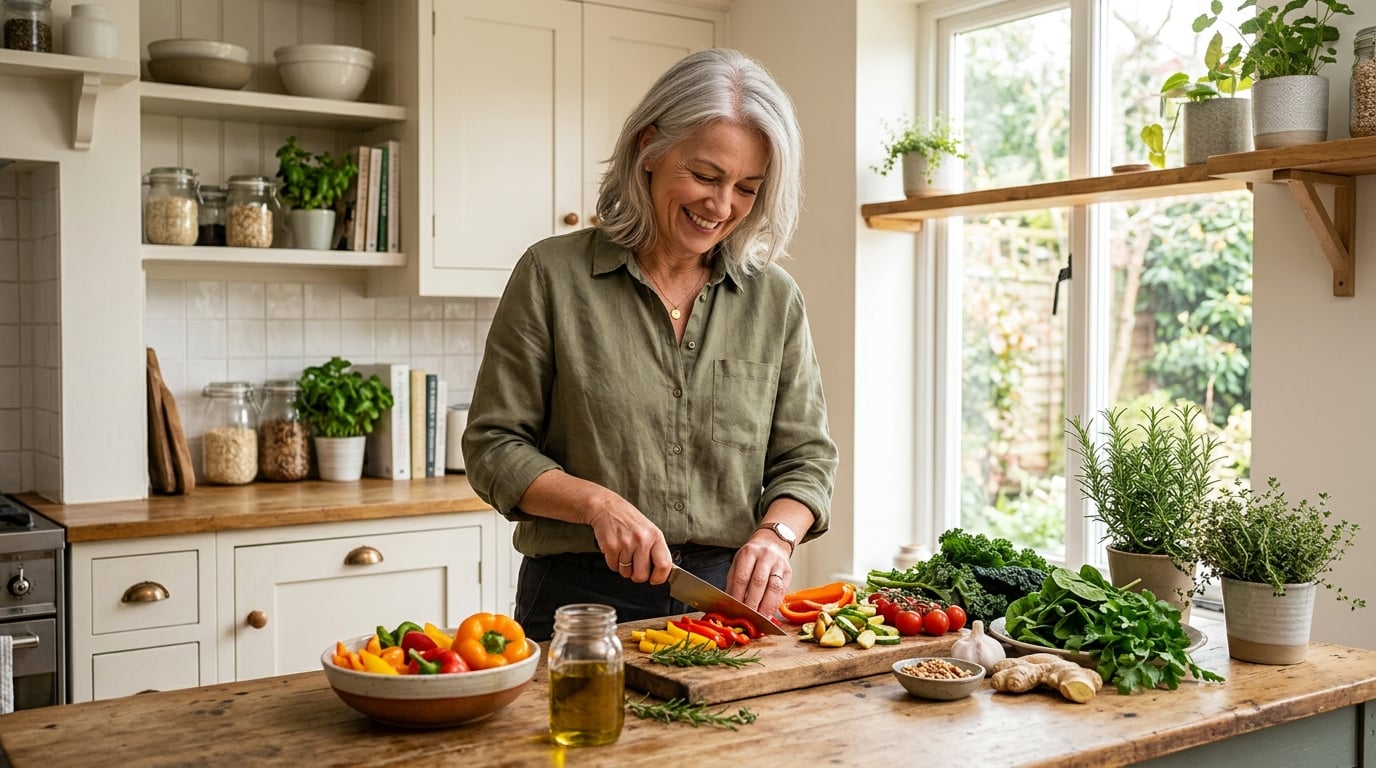
If you're over 50, there's a very good chance that chronic low-grade inflammation is silently affecting your health right now. It's linked to joint pain, fatigue, brain fog, weight gain around the midsection, and nearly every age-related disease — from heart disease to type 2 diabetes to Alzheimer's.
The good news? What you eat is one of the most powerful tools you have to fight inflammation. And no, it doesn't mean surviving on kale smoothies and bland steamed vegetables. Anti-inflammatory eating is actually delicious, satisfying, and surprisingly easy to plan.
Let's break down exactly how to build an anti-inflammatory meal plan that works for real life after 50.
What Is Inflammation (and Why Does It Get Worse After 50)?
Inflammation is your body's natural defence system. When you cut your finger or catch a cold, acute inflammation rushes in to heal and protect — that's a good thing.
But chronic inflammation is different. It's a slow, persistent fire that burns beneath the surface, damaging cells and tissues over months and years. After 50, several factors make this worse:
- Hormonal changes: Declining oestrogen after menopause removes a key anti-inflammatory protector
- Metabolic shifts: Insulin resistance and visceral fat increase inflammatory markers
- Gut health changes: The gut microbiome shifts, affecting immune regulation
- Accumulated stress: Decades of physical and emotional stress take their toll
The result? Stiff joints in the morning, stubborn belly fat, low energy, and that foggy feeling that won't lift. Sound familiar?
The Anti-Inflammatory Eating Framework
Anti-inflammatory eating isn't a fad diet — it's a way of eating based on decades of research, particularly the Mediterranean diet pattern. Here's the framework:
Foods to Prioritise (Eat Daily)
- Fatty fish: Salmon, sardines, mackerel — rich in omega-3 fatty acids that directly reduce inflammatory markers
- Colourful vegetables: Leafy greens, capsicum, tomatoes, sweet potato — packed with antioxidants
- Berries: Blueberries, strawberries, raspberries — contain anthocyanins that fight oxidative stress
- Nuts and seeds: Walnuts, almonds, chia seeds, flaxseeds — healthy fats and fibre
- Extra virgin olive oil: Contains oleocanthal, which works similarly to ibuprofen
- Turmeric and ginger: Powerful natural anti-inflammatory compounds
- Whole grains: Oats, quinoa, brown rice — fibre feeds beneficial gut bacteria
Foods to Minimise (Not Eliminate)
- Refined sugar: Triggers inflammatory pathways — especially sugary drinks
- Processed meats: Bacon, sausages, deli meats contain pro-inflammatory compounds
- Refined carbs: White bread, pastries, most packaged snacks
- Excess alcohol: More than 1 standard drink per day increases inflammation
- Seed oils in excess: High omega-6 to omega-3 ratio promotes inflammation
A Sample Anti-Inflammatory Day
Get your FREE 7-Day Beginner Workout Plan
A gentle, progressive week of strength, cardio, flexibility and balance — designed just for women over 50. Pop in your details and I'll send it straight away. 💪
Here's what a typical day of anti-inflammatory eating looks like — notice how satisfying and flavourful it is:
- Breakfast: Golden turmeric scrambled eggs on sourdough with a sprinkle of black pepper (310 cal)
- Morning snack: Greek yoghurt with blueberries and walnuts (210 cal)
- Lunch: Grilled salmon salad with mixed greens, avocado, cherry tomatoes, and olive oil dressing (380 cal)
- Afternoon snack: Apple slices with almond butter (180 cal)
- Dinner: Turmeric chicken with roasted sweet potato and steamed broccoli (400 cal)
Daily total: ~1,480 calories — right in the sweet spot for sustainable weight loss after 50.
5 Practical Tips for Meal Planning Success
1. Prep Your Proteins on Sunday
Spend 30 minutes baking salmon fillets and grilling chicken breasts. Store them in the fridge for quick assembly throughout the week. Having protein ready to go is the single biggest time-saver.
2. Make a Master Shopping List
An anti-inflammatory pantry is surprisingly simple. Stock these staples and you can throw together a healthy meal in minutes: olive oil, tinned salmon, frozen berries, nuts, eggs, leafy greens, sweet potatoes, and turmeric.
3. Batch Cook Your Grains
Cook a big pot of quinoa or brown rice on the weekend. It keeps in the fridge for 5 days and makes an instant base for any meal.
4. Use the "Colour Rule"
Every meal should have at least 3 different colours on the plate. More colour = more antioxidants = less inflammation. It's that simple.
5. Don't Overthink It
You don't need to be perfect. Eating anti-inflammatory foods 80% of the time will make a significant difference. The occasional treat isn't going to undo weeks of healthy eating.
How Quickly Will You See Results?
Most women notice changes within the first 2 weeks:
- Week 1: Better energy, less bloating, improved digestion
- Week 2: Reduced joint stiffness, clearer skin, better sleep
- Week 4: Noticeable reduction in belly bloat, more mental clarity
- Week 8+: Significant improvements in blood markers (CRP, blood sugar)
Want It All Planned Out for You?
If you love the idea of anti-inflammatory eating but don't want to spend hours figuring out what to cook, we've done the hard work for you.
Our 7-Day Anti-Inflammatory Meal Plan includes 35 delicious recipes with full ingredients, step-by-step instructions, calorie counts for every meal (1,370–1,495 cal/day), complete shopping lists, and expert tips — all designed specifically for women over 50.
Every recipe is quick, simple, and uses ingredients you can find at any supermarket. No exotic ingredients, no complicated techniques — just real food that fights inflammation and tastes amazing.
Get your FREE 7-Day Beginner Workout Plan
A gentle, progressive week of strength, cardio, flexibility and balance — designed just for women over 50. Pop in your details and I'll send it straight away. 💪