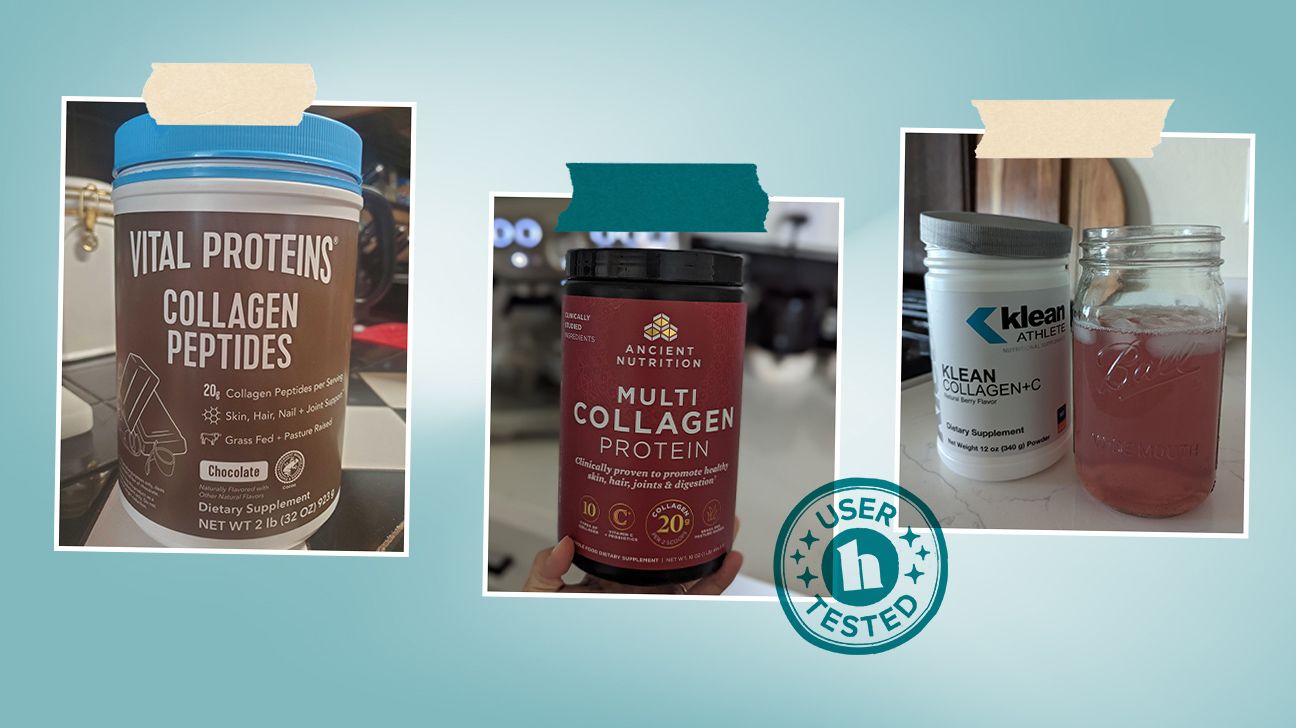
Best Collagen Supplements for Women Over 50: What Actually Works
If you've noticed your skin feeling a little less plump, your joints a bit more creaky, or your hair not quite as thick as it used to be, you're not imagining things. After 50, our bodies produce significantly less collagen — the protein that keeps our skin firm, our joints cushioned, and our connective tissues strong. The good news? The right collagen supplement can genuinely make a difference. Here's what you need to know before you spend a cent.
Why Collagen Matters More After 50
Collagen is the most abundant protein in the human body, making up roughly 30% of our total protein content. It acts like the scaffolding that holds everything together — skin, bones, cartilage, tendons, and even the lining of your gut. The problem is that from our mid-20s, collagen production begins to decline, and after menopause, that decline accelerates sharply. Research suggests women can lose up to 30% of their skin collagen in the first five years after menopause.
This isn't just a cosmetic concern. Reduced collagen contributes to joint pain, slower wound healing, weakened bones, and digestive issues. Choosing the best collagen supplements for women over 50 can help support your body from the inside out — but not all collagen products are created equal.
Types of Collagen: Which One Do You Need?
Walk into any health food shop and you'll find collagen products labelled Type I, II, III, or "multi-collagen." Here's a simple breakdown:
- Type I Collagen: The most abundant type in the body. Found in skin, hair, nails, tendons, and bones. This is your go-to for skin elasticity and anti-ageing benefits.
- Type II Collagen: Primarily found in cartilage. Best suited for joint health and reducing the discomfort of osteoarthritis — a common concern for women over 50.
- Type III Collagen: Often found alongside Type I, supporting skin structure and gut health.
- Multi-Collagen Blends: Combine several types for broader benefits. A good option if you're looking for an all-rounder.
For most women over 50, a hydrolysed collagen peptide supplement containing Types I and III is an excellent starting point for skin, hair, and general wellbeing. If joint pain is your primary concern, look for a product that includes Type II collagen or undenatured Type II collagen (UC-II).
What the Research Actually Says
The science on collagen supplementation has grown considerably in recent years. Several well-designed studies have shown promising results:
- A 2019 review published in the Journal of Drugs in Dermatology found that oral collagen supplements significantly improved skin elasticity, hydration, and dermal collagen density.
- Research on joint health has shown that hydrolysed collagen can reduce joint pain in athletes and people with osteoarthritis, with benefits appearing after 3–6 months of consistent use.
- Some studies suggest collagen peptides may support bone mineral density, which is particularly relevant for post-menopausal women at risk of osteoporosis.
It's worth noting that collagen supplements work best as part of a broader healthy lifestyle — they're not a magic fix, but they can be a genuinely useful addition to your routine.
How to Choose a Quality Collagen Supplement
Get your FREE 7-Day Beginner Workout Plan
A gentle, progressive week of strength, cardio, flexibility and balance — designed just for women over 50. Pop in your details and I'll send it straight away. 💪
The supplement market is flooded with options, and quality varies enormously. Here's what to look for when choosing the best collagen supplements for women over 50:
- Hydrolysed collagen peptides: These are broken down into smaller molecules that are easier for your body to absorb. Look for "hydrolysed" or "collagen peptides" on the label.
- Grass-fed or wild-caught sources: Bovine (beef) collagen from grass-fed cattle and marine collagen from wild-caught fish tend to be higher quality and more sustainable.
- Third-party tested: Look for products that have been independently tested for purity and potency. Certifications from organisations like Informed Sport or NSF International are a good sign.
- Minimal additives: The best collagen powders are unflavoured with no artificial sweeteners, fillers, or unnecessary extras.
- Adequate dose: Most studies use doses of 2.5–15 grams per day. Be wary of products with very low doses that are unlikely to have any real effect.
Marine vs Bovine Collagen: Which Is Better?
This is one of the most common questions women ask when exploring collagen supplements. Both have merit:
Marine collagen (sourced from fish skin and scales) is predominantly Type I collagen and has a smaller molecular size, which may make it slightly easier to absorb. It's an excellent choice for skin, hair, and nail benefits. It's also a good option if you prefer to avoid red meat products.
Bovine collagen (sourced from cattle hides) contains both Type I and Type III collagen, making it a versatile option for skin, gut health, and connective tissue support. It tends to be more affordable and widely available.
If you're primarily focused on skin and anti-ageing benefits, marine collagen may have a slight edge. For overall connective tissue and gut support, bovine collagen is a solid, cost-effective choice.
Practical Tips for Getting the Most from Your Collagen Supplement
Taking collagen is simple, but a few habits can help maximise your results:
- Take it consistently: Collagen benefits build over time. Give it at least 8–12 weeks before assessing whether it's working for you.
- Pair it with Vitamin C: Vitamin C is essential for collagen synthesis in the body. Taking your collagen alongside a Vitamin C-rich food or supplement can enhance its effectiveness.
- Add it to your morning routine: Collagen powder dissolves easily in coffee, smoothies, or warm water. Making it part of your morning ritual helps with consistency.
- Support it with diet: Bone broth, eggs, leafy greens, and berries all support collagen production naturally. Your supplement works best alongside a nutrient-rich diet.
- Protect your existing collagen: Sun exposure, smoking, and excess sugar all break down collagen faster. Wearing SPF daily and limiting processed foods will help preserve what you've got.
A Note on Realistic Expectations
Collagen supplements are not a fountain of youth, and it's important to go in with realistic expectations. You're unlikely to wake up after a week looking 20 years younger. What many women over 50 do report after consistent use is skin that feels more hydrated and resilient, less joint discomfort during exercise, stronger nails, and hair that feels thicker. These are meaningful, real-world improvements that can genuinely support your quality of life.
As always, if you have any underlying health conditions or take medications, it's worth having a chat with your GP or a registered dietitian before starting any new supplement. Collagen is generally very well tolerated, but personalised advice is always the gold standard.
The Bottom Line
Finding the best collagen supplements for women over 50 comes down to choosing a high-quality, hydrolysed product from a reputable source, taking it consistently, and supporting it with good nutrition and sun protection. Whether you opt for marine or bovine collagen, the key is patience and consistency. Your body is worth the investment — and at this stage of life, giving it the right support can make a real difference to how you look, move, and feel every single day.
Get your FREE 7-Day Beginner Workout Plan
A gentle, progressive week of strength, cardio, flexibility and balance — designed just for women over 50. Pop in your details and I'll send it straight away. 💪