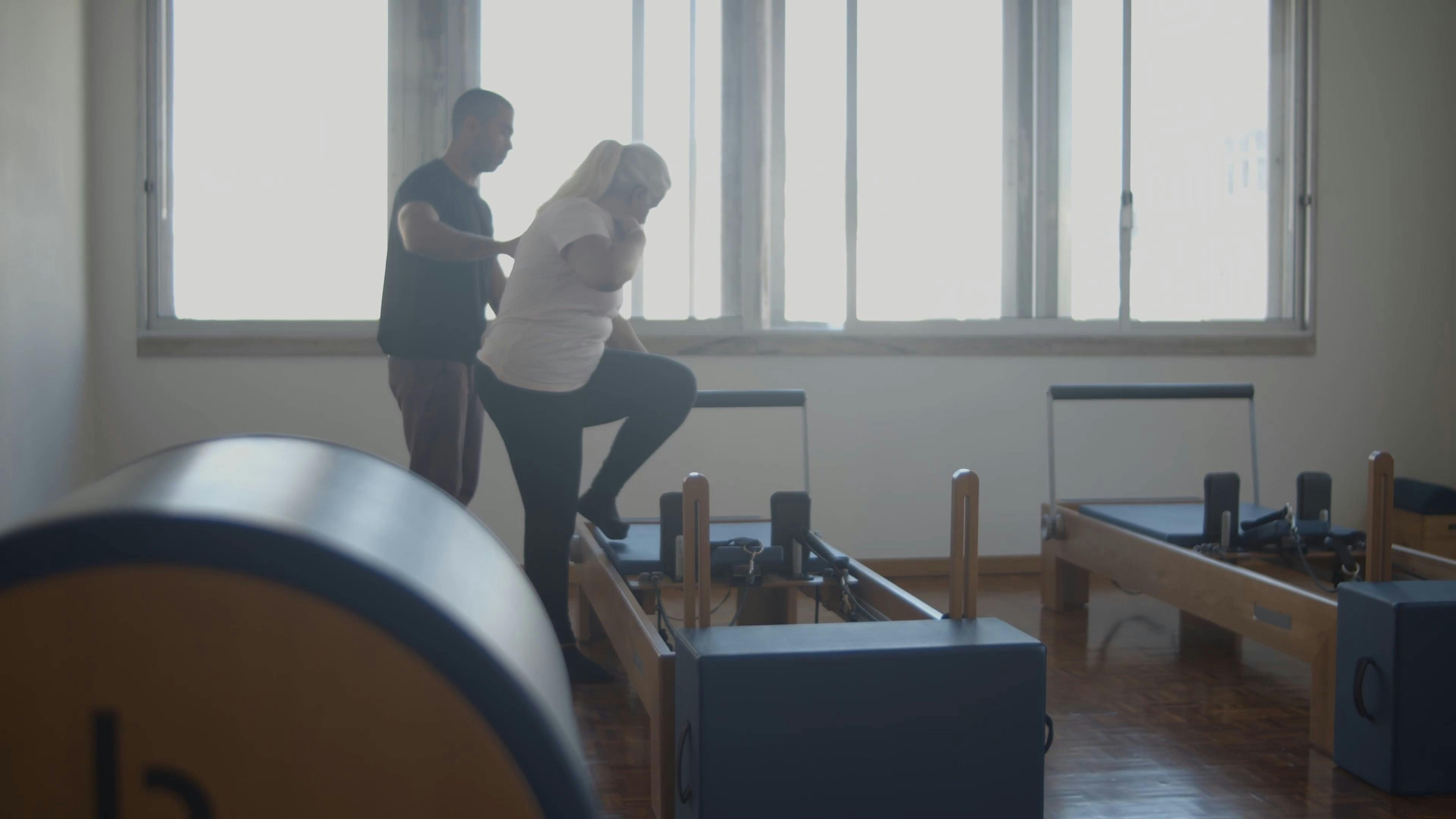
Knee pain is one of the most common complaints for adults over 50, often caused by osteoarthritis, previous injuries, or general wear and tear. But staying sedentary will only make things worse. The key is choosing the right exercises that strengthen the muscles supporting your knees without aggravating the joint.
Why Exercise Helps Bad Knees
It might seem counterintuitive, but movement is one of the best things for knee pain. Exercise strengthens the quadriceps, hamstrings, and glutes — the muscles that act as shock absorbers for your knees. It also helps maintain a healthy weight, reducing the load on your joints.
1. Water Walking & Pool Exercises
Water supports your body weight, reducing stress on joints by up to 90%. Walking in waist-deep water, water aerobics, or gentle swimming laps are all excellent options. The resistance of the water also builds muscle strength without impact.
How to start: Walk in waist-deep water for 15–20 minutes, 3 times per week. Many community pools offer aqua fitness classes specifically for older adults.
2. Seated Leg Extensions
This exercise strengthens your quadriceps — the large muscles at the front of your thigh that are critical for knee stability.
How to do it: Sit in a sturdy chair with feet flat on the floor. Slowly straighten one leg until it's parallel to the ground. Hold for 3–5 seconds, then lower slowly. Repeat 10–12 times on each side.
3. Wall Slides
A gentler alternative to squats that builds leg strength through a controlled range of motion.
How to do it: Stand with your back against a wall, feet shoulder-width apart and about 30cm from the wall. Slowly slide down until your knees are at about a 45-degree angle (not beyond 90 degrees). Hold for 5–10 seconds, then slide back up. Start with 5 reps and build to 15.
4. Stationary Cycling
Get your FREE 7-Day Beginner Workout Plan
A gentle, progressive week of strength, cardio, flexibility and balance — designed just for women over 50. Pop in your details and I'll send it straight away. 💪
Cycling is low-impact and allows you to control resistance. It builds leg strength and cardiovascular fitness without the pounding of walking or running.
Tips: Set the seat height so your knee has a slight bend at the bottom of the pedal stroke. Start with low resistance and aim for 15–20 minutes, gradually increasing to 30 minutes.
5. Straight Leg Raises
These strengthen your quadriceps and hip flexors without bending the knee at all — making them ideal for days when your knees are particularly sore.
How to do it: Lie on your back with one leg bent and one straight. Tighten the thigh muscles of the straight leg and lift it to the height of the opposite knee. Hold for 5 seconds, lower slowly. Repeat 10 times each side.
6. Glute Bridges
Strong glutes take pressure off your knees by improving hip stability and alignment.
How to do it: Lie on your back, knees bent, feet flat on the floor hip-width apart. Press through your heels to lift your hips until your body forms a straight line from shoulders to knees. Hold for 5 seconds, lower slowly. Aim for 10–15 reps.
7. Tai Chi
Research published in the Annals of Internal Medicine found that Tai Chi is as effective as physical therapy for knee osteoarthritis. Its slow, flowing movements improve balance, flexibility, and leg strength with minimal joint stress.
Exercises to Avoid
If you have bad knees, steer clear of:
- Deep squats or lunges — these put excessive stress on the knee joint
- Running on hard surfaces — the repeated impact can worsen pain
- Leg presses with heavy weight — too much load for compromised joints
- High-impact aerobics — jumping and bouncing jar the knees
When to See a Doctor
Consult your doctor if knee pain is accompanied by swelling, redness, warmth, or if it prevents you from doing daily activities. They may recommend physiotherapy, bracing, or other treatments alongside exercise.
Remember: Some discomfort during exercise is normal, but sharp or increasing pain means you should stop. Start slowly, listen to your body, and gradually build strength. Your knees will thank you.
Get your FREE 7-Day Beginner Workout Plan
A gentle, progressive week of strength, cardio, flexibility and balance — designed just for women over 50. Pop in your details and I'll send it straight away. 💪