Best Omega-3 Supplements for Adults Over 50: What You Need to Know
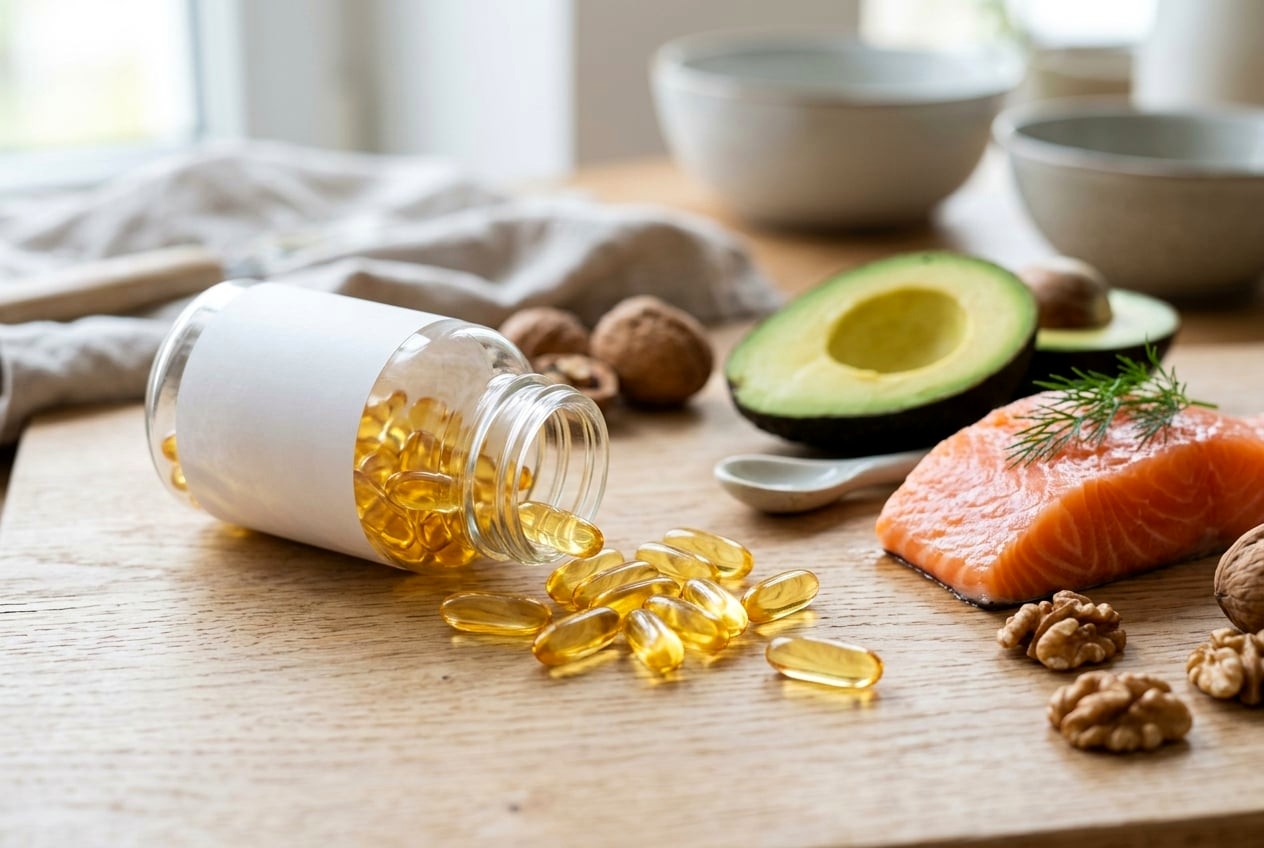
If there's one supplement that consistently earns its place in the medicine cabinet for adults over 50, it's omega-3. These essential fatty acids — found naturally in oily fish, flaxseeds, and walnuts — play a remarkable role in keeping your heart, brain, joints, and eyes in top shape. But here's the thing: most of us simply don't get enough from food alone. That's where the best omega-3 supplements for adults over 50 come in.
Whether you're managing joint stiffness, looking to support your heart health, or simply wanting to stay sharp as the years roll on, omega-3 supplementation is one of the most evidence-backed choices you can make. Let's break down what you need to know — and how to choose the right product for you.
Why Omega-3 Matters More After 50
As we age, our bodies become less efficient at converting plant-based omega-3 (ALA) into the active forms our cells actually use — EPA (eicosapentaenoic acid) and DHA (docosahexaenoic acid). At the same time, the health challenges that omega-3 helps address — inflammation, cardiovascular risk, cognitive decline, and joint discomfort — tend to become more pressing after 50.
Here's what the research tells us omega-3 can do for adults over 50:
- Heart health: EPA and DHA help reduce triglycerides, support healthy blood pressure, and may lower the risk of cardiovascular events.
- Brain function: DHA is a key structural component of brain tissue. Higher omega-3 intake is associated with better memory and a reduced risk of cognitive decline.
- Joint comfort: Omega-3s have well-documented anti-inflammatory properties that can ease joint stiffness and reduce the need for pain relief medication.
- Eye health: DHA is concentrated in the retina, and adequate intake is linked to a lower risk of age-related macular degeneration.
- Mood and mental wellbeing: Some studies suggest omega-3s may help reduce symptoms of depression and anxiety — both of which can become more common after 50.
What to Look for in an Omega-3 Supplement
Not all fish oil capsules are created equal. When you're shopping for the best omega-3 supplements for adults over 50, here are the key factors to consider:
1. EPA and DHA Content
This is the most important number on the label. Many cheap fish oil capsules contain 1,000 mg of fish oil but only 300 mg of combined EPA and DHA — the rest is filler fat. Look for a product that delivers at least 500–1,000 mg of combined EPA and DHA per serving. For therapeutic purposes (such as managing high triglycerides or joint inflammation), your GP may recommend up to 2,000–4,000 mg daily.
2. Triglyceride vs. Ethyl Ester Form
Omega-3 supplements come in two main forms: triglyceride (TG) and ethyl ester (EE). The triglyceride form is closer to how omega-3 occurs naturally in fish and is absorbed significantly better by the body — studies suggest up to 70% better absorption. Look for labels that say "natural triglyceride form" or "re-esterified triglycerides."
3. Purity and Third-Party Testing
Fish oil can contain contaminants like mercury, PCBs, and dioxins if not properly purified. Choose brands that are molecularly distilled and carry third-party certifications such as IFOS (International Fish Oil Standards), NSF International, or Friend of the Sea. These certifications confirm both purity and sustainability.
4. Freshness (Oxidation)
Rancid fish oil is not only ineffective — it may actually be harmful. A fresh omega-3 supplement should have little to no fishy smell. If your capsules smell strongly of fish, they may be oxidised. Look for products with added antioxidants like vitamin E (tocopherols) to preserve freshness, and check the expiry date carefully.
5. Enteric Coating
If you've ever experienced "fish burps" after taking omega-3 capsules, an enteric-coated product can help. These capsules are designed to dissolve in the small intestine rather than the stomach, reducing reflux and improving tolerability — particularly useful if you have a sensitive digestive system.
Types of Omega-3 Supplements: Which Is Right for You?
Get your FREE 7-Day Beginner Workout Plan
A gentle, progressive week of strength, cardio, flexibility and balance — designed just for women over 50. Pop in your details and I'll send it straight away. 💪
Fish Oil
The most common and well-researched source of EPA and DHA. Look for oil sourced from small, cold-water fish like anchovies, sardines, and mackerel — these are lower in the food chain and therefore accumulate fewer toxins. High-quality fish oil remains the gold standard for most adults over 50.
Krill Oil
Krill oil contains EPA and DHA in phospholipid form, which some research suggests may be absorbed even more efficiently than standard fish oil. It also contains astaxanthin, a powerful antioxidant. The downside? Krill oil typically contains lower total amounts of EPA and DHA per capsule, and it tends to be more expensive. It's a good option if you find standard fish oil hard to tolerate.
Algae Oil
Here's something many people don't realise: fish get their omega-3 from algae. Algae oil goes straight to the source, providing DHA (and sometimes EPA) in a form that's suitable for vegetarians and vegans. It's also free from ocean contaminants. If you follow a plant-based diet or are concerned about sustainability, algae oil is an excellent choice.
Cod Liver Oil
A traditional favourite, cod liver oil provides omega-3 along with vitamins A and D. However, be cautious with dosage — high amounts of vitamin A can be harmful, particularly for older adults. If you're already taking a multivitamin with vitamin A, check with your GP before adding cod liver oil.
How Much Should You Take?
For general health maintenance, most health authorities recommend 250–500 mg of combined EPA and DHA per day. For adults over 50 with specific health goals — such as reducing inflammation, supporting heart health, or managing triglycerides — doses of 1,000–2,000 mg per day are commonly used and well-tolerated.
Always take omega-3 supplements with a meal containing fat, as this significantly improves absorption. Splitting your dose between morning and evening can also help reduce any digestive discomfort.
Important: If you're taking blood-thinning medications such as warfarin or aspirin, speak with your GP before starting omega-3 supplementation, as high doses may affect clotting.
Practical Tips for Getting the Most from Your Omega-3 Supplement
- Store properly: Keep your omega-3 capsules in the fridge after opening to slow oxidation and preserve freshness.
- Be consistent: Omega-3 benefits build over time. Give it at least 8–12 weeks of consistent daily use before assessing results.
- Pair with food: Always take with a meal — ideally one that contains some healthy fat — to maximise absorption.
- Don't rely on supplements alone: Aim to eat oily fish (salmon, sardines, mackerel, tuna) at least twice a week alongside your supplement.
- Check for interactions: Let your GP or pharmacist know you're taking omega-3, especially if you're on any prescription medications.
The Bottom Line
Finding the best omega-3 supplements for adults over 50 doesn't have to be overwhelming. Focus on products with high EPA and DHA content, in triglyceride form, with third-party purity certification. Whether you choose fish oil, krill oil, or algae oil, what matters most is consistency — taking a quality product daily, alongside a balanced diet rich in whole foods.
Your heart, brain, joints, and eyes will thank you for it. And at 50-plus, that kind of long-term investment in your health is one of the smartest things you can do.
Get your FREE 7-Day Beginner Workout Plan
A gentle, progressive week of strength, cardio, flexibility and balance — designed just for women over 50. Pop in your details and I'll send it straight away. 💪