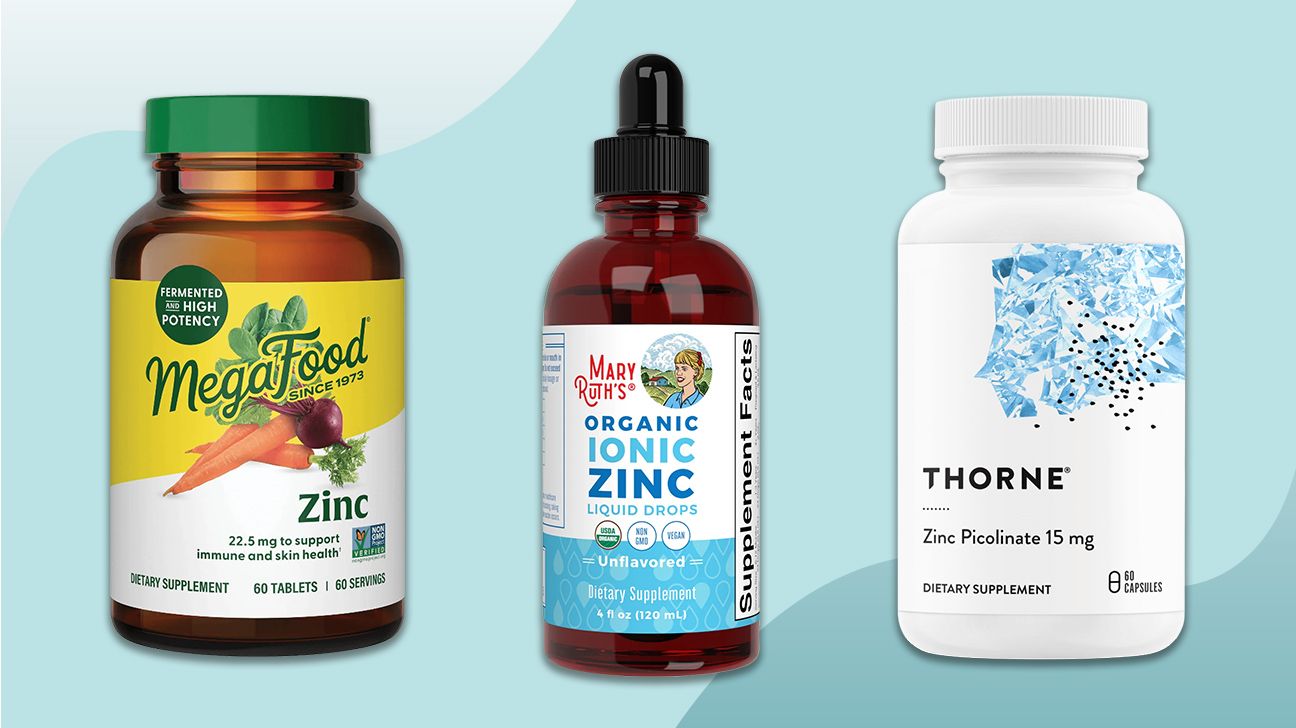
Best Zinc Supplements for Women Over 50: What You Need to Know
If you've been feeling run-down, noticing your skin isn't quite as vibrant as it used to be, or finding that every cold seems to linger a little longer, zinc might be the missing piece in your wellness puzzle. As one of the most important minerals for immune function, skin health, and hormonal balance, zinc becomes increasingly vital after 50 — yet it's one of the most commonly overlooked nutrients in this age group.
In this guide, we'll walk you through everything you need to know about zinc supplements for women over 50: why your needs change with age, what to look for in a quality supplement, and how to choose the best option for your body.
Why Zinc Matters More After 50
Zinc is involved in over 300 enzymatic reactions in the body, which explains why a deficiency can show up in so many different ways — from a weakened immune system to slow wound healing, hair thinning, and even changes in taste and smell.
After 50, several factors make zinc deficiency more likely:
- Reduced absorption: As we age, stomach acid production naturally declines, which impairs the absorption of zinc from food.
- Dietary shifts: Many women over 50 eat less red meat (a top zinc source) for health or ethical reasons, reducing dietary intake.
- Medications: Common medications including diuretics, ACE inhibitors, and proton pump inhibitors can deplete zinc levels over time.
- Menopause: Hormonal changes during and after menopause affect how the body processes and retains minerals, including zinc.
The recommended dietary intake for women over 50 is 8 mg of zinc per day, but many women fall short of this — and some research suggests that older adults may benefit from slightly higher intakes to compensate for reduced absorption.
Signs You May Be Low in Zinc
Zinc deficiency can be subtle, and symptoms often overlap with other conditions. That said, some common signs to watch for include:
- Frequent colds or infections that take longer to resolve
- Slow-healing cuts or skin irritations
- Hair thinning or increased shedding
- Dry, dull, or ageing skin
- Reduced sense of taste or smell
- Fatigue and low energy
- Difficulty concentrating or brain fog
If several of these resonate with you, it's worth speaking with your GP about getting your zinc levels tested before starting supplementation. A simple blood test can give you a clearer picture.
The Key Benefits of Zinc for Women Over 50
Immune Support
Zinc is essential for the development and function of immune cells. Research consistently shows that adequate zinc levels help reduce the duration and severity of common illnesses. For women over 50, whose immune systems naturally become less robust with age, maintaining healthy zinc levels is a smart preventive strategy.
Skin Health and Wound Healing
Zinc plays a central role in collagen synthesis and skin cell renewal — two processes that slow significantly after 50. Supplementing with zinc can support skin elasticity, reduce inflammation, and speed up the healing of minor wounds and blemishes. If you've noticed your skin taking longer to bounce back, zinc could be part of the solution.
Hormonal Balance
Zinc is involved in the production and regulation of several hormones, including oestrogen, progesterone, and thyroid hormones. During and after menopause, when hormonal fluctuations are at their peak, ensuring adequate zinc intake may help support a smoother transition and reduce some symptoms associated with hormonal imbalance.
Bone Health
While calcium and vitamin D often steal the spotlight when it comes to bone health, zinc is equally important. It supports the activity of osteoblasts — the cells responsible for building new bone — and helps maintain bone mineral density. This is particularly relevant for women over 50, who are at increased risk of osteoporosis.
Cognitive Function
Emerging research suggests that zinc plays a role in brain health and may help protect against age-related cognitive decline. Zinc is involved in neurotransmitter function, making it an important nutrient for mental clarity and focus.
Choosing the Best Zinc Supplement
Get your FREE 7-Day Beginner Workout Plan
A gentle, progressive week of strength, cardio, flexibility and balance — designed just for women over 50. Pop in your details and I'll send it straight away. 💪
Not all zinc supplements are created equal. The form of zinc matters enormously when it comes to how well your body can absorb and use it. Here's what to look for:
Zinc Picolinate
This is widely considered one of the most bioavailable forms of zinc, meaning your body can absorb and use it efficiently. It's a great all-round choice for women over 50 and is well-tolerated by most people.
Zinc Citrate
Another highly absorbable form, zinc citrate is gentle on the stomach and a good option if you've experienced nausea with other zinc supplements. It's often found in higher-quality multivitamins as well.
Zinc Gluconate
Commonly found in lozenges and immune-support products, zinc gluconate is a solid choice for short-term immune support, though it may be slightly less bioavailable than picolinate or citrate forms.
Forms to Approach with Caution
Zinc oxide is one of the least absorbable forms and is best avoided in oral supplements (it's fine in sunscreen, though). Similarly, zinc sulfate can be effective but is more likely to cause digestive upset.
How Much Zinc Should You Take?
The recommended dietary intake for women over 50 is 8 mg per day, with an upper tolerable limit of 40 mg per day. Most zinc supplements for adults fall in the 15–30 mg range, which is appropriate for supplementation purposes.
A few important points to keep in mind:
- Don't overdo it: Too much zinc can actually suppress immune function and interfere with copper absorption. Stick within the recommended range unless advised otherwise by your doctor.
- Take with food: Zinc supplements are best taken with a small meal to reduce the risk of nausea.
- Timing matters: Avoid taking zinc at the same time as iron supplements or calcium-rich foods, as these can compete for absorption.
- Consider a zinc-copper balance: Long-term zinc supplementation can deplete copper levels. Look for a supplement that includes a small amount of copper (around 1–2 mg) to maintain balance.
Food Sources of Zinc to Complement Your Supplement
While supplementation can be helpful, it's always best to get as many nutrients as possible from whole foods. Top dietary sources of zinc include:
- Oysters (the richest food source of zinc)
- Lean red meat and poultry
- Pumpkin seeds and hemp seeds
- Legumes such as chickpeas, lentils, and black beans
- Nuts, particularly cashews and almonds
- Whole grains including oats and quinoa
- Dairy products such as cheese and yoghurt
If you follow a plant-based diet, be aware that phytates in legumes and grains can bind to zinc and reduce absorption. Soaking, sprouting, or fermenting these foods can help improve zinc bioavailability.
Our Top Tips for Getting Started
Ready to add zinc to your supplement routine? Here's how to do it wisely:
- Get tested first — ask your GP for a serum zinc test to confirm you're actually deficient before supplementing.
- Choose zinc picolinate or zinc citrate for the best absorption.
- Start with a lower dose (around 15 mg) and increase if needed under medical guidance.
- Look for a supplement that pairs zinc with copper to prevent imbalances.
- Take your supplement with food to minimise any stomach discomfort.
- Reassess after 3 months — retest your levels and adjust accordingly.
Zinc might not be the most glamorous supplement on the shelf, but for women over 50, it's one of the most important. From keeping your immune system strong to supporting glowing skin and hormonal balance, this humble mineral does a remarkable amount of heavy lifting. Give it the attention it deserves — your body will thank you for it.
Get your FREE 7-Day Beginner Workout Plan
A gentle, progressive week of strength, cardio, flexibility and balance — designed just for women over 50. Pop in your details and I'll send it straight away. 💪