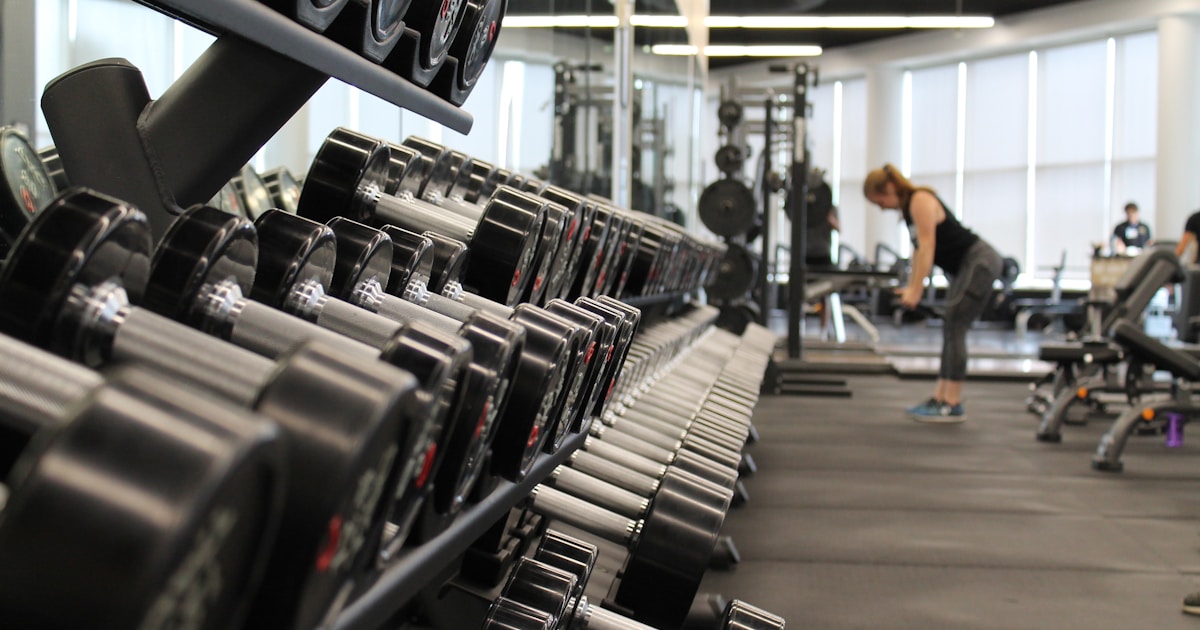
If you grew up believing that the key to staying slim was spending hours on the treadmill, you're not alone. For decades, women were told that cardio was the answer to everything — weight loss, heart health, even stress relief. But here's the truth that more and more research is confirming: for women over 50, strength training isn't just better — it's essential.
This isn't about ditching your morning walk or giving up activities you love. It's about understanding why relying only on cardio can actually work against you, and why adding resistance training could be the single best thing you do for your body right now.
The Problem With Cardio-Only Approaches
Let's be clear: cardiovascular exercise is wonderful. Walking, swimming, cycling — these activities support heart health, improve mood, and keep you moving. The problem arises when cardio becomes your only form of exercise, especially after 50.
1. Muscle Loss Accelerates
After 30, we lose approximately 3–8% of our muscle mass per decade, and this rate accelerates after 50. Cardio-only routines do very little to prevent this loss. In fact, excessive steady-state cardio without resistance work can actually contribute to muscle breakdown — a process called sarcopenia. Less muscle means a slower metabolism, which makes maintaining a healthy weight increasingly difficult.
2. Bone Density Declines
Women lose up to 20% of their bone density in the five to seven years following menopause. While walking provides some weight-bearing benefit, it doesn't create the mechanical load needed to stimulate new bone growth. Without targeted resistance training, your risk of osteoporosis and fractures rises significantly.
3. Energy and Hormonal Disruption
Long bouts of cardio can elevate cortisol levels, which interferes with sleep, recovery, and hormonal balance — all things that are already under pressure during and after menopause. Many women find that excessive cardio actually leaves them feeling more tired, not less.
4. The Weight Regain Cycle
Here's the frustrating reality: cardio-only approaches often lead to a cycle of losing weight and gaining it back. Without muscle to support your metabolism, any weight lost tends to return — often with extra. It's not a willpower problem; it's a physiology problem.
Why Strength Training Changes Everything
Get your FREE 7-Day Beginner Workout Plan
A gentle, progressive week of strength, cardio, flexibility and balance — designed just for women over 50. Pop in your details and I'll send it straight away. 💪
Strength training — using dumbbells, resistance bands, machines, or your own bodyweight — creates a completely different response in your body. Here's what happens when you start building muscle:
1. You Build and Preserve Lean Muscle
Resistance training is the only type of exercise proven to reverse age-related muscle loss. More muscle means a higher resting metabolic rate, which means your body burns more energy even when you're sitting on the couch. Research published in the Journal of Bone and Mineral Research shows that women who strength train twice a week can increase muscle mass and functional strength significantly within 12 weeks.
2. Your Bones Get Stronger
When muscles pull against bones during resistance exercises, it signals your body to lay down new bone tissue. Studies consistently show that women who lift weights have significantly higher bone mineral density than those who only do aerobic exercise. This is especially critical for postmenopausal women.
3. Energy and Mood Improve
Strength training has been shown to reduce symptoms of anxiety and depression, improve sleep quality, and boost overall energy levels. The endorphin release from a good lifting session is powerful, and the sense of accomplishment from getting stronger is genuinely life-changing.
4. Hormonal Balance Improves
Resistance training helps regulate insulin sensitivity, supports healthy cortisol levels, and can even improve oestrogen and progesterone balance during the menopausal transition. It's one of the most effective natural tools for managing menopausal symptoms.
5. Injury Risk Drops
Strong muscles protect your joints, improve your balance, and reduce your risk of falls — the leading cause of injury for women over 50. When your muscles are strong, your body moves better, recovers faster, and stays more resilient.
6. Results Are Sustainable
Unlike the lose-it-gain-it-back cycle of cardio-only approaches, the results from strength training compound over time. The muscle you build stays with you (as long as you keep training), your metabolism stays elevated, and your body gets stronger year after year.
What Does a Good Routine Look Like?
You don't need to spend hours in the gym. Here's a simple framework:
- Strength training: 2–3 sessions per week, 30–45 minutes each. Focus on compound movements like squats, deadlifts, rows, presses, and lunges.
- Cardio: 2–3 sessions per week of moderate activity you enjoy — walking, swimming, cycling. Keep it enjoyable, not exhausting.
- Recovery: Include stretching, mobility work, and at least one full rest day per week.
The key is making strength training the foundation of your routine, with cardio as a complement — not the other way around.
Getting Started Safely
If you're new to strength training, start with bodyweight exercises or light resistance bands. Focus on learning proper form before adding weight. Consider working with a qualified trainer who understands the needs of women over 50 — even a few sessions can make a huge difference in your confidence and technique.
Remember: you don't need to lift heavy to see results. Consistency and progressive overload (gradually increasing the challenge) matter far more than how much weight is on the bar.
The Bottom Line
Cardio has its place, and movement of any kind is always better than none. But if you're a woman over 50 and you're only doing cardio, you're leaving the most powerful health benefits on the table. Strength training builds the muscle, bone, and metabolic resilience that your body needs most right now.
Strong today. Stronger tomorrow. That's not just a motto — it's a promise your body can keep, if you give it the right tools. 💪
Get your FREE 7-Day Beginner Workout Plan
A gentle, progressive week of strength, cardio, flexibility and balance — designed just for women over 50. Pop in your details and I'll send it straight away. 💪