If there's one nutrient that becomes more important as you age, it's protein. After 50, your body becomes less efficient at using protein to build and repair muscle — a process called anabolic resistance. This means you actually need more protein than younger adults, not less.
How Much Protein Do You Need?
The standard recommendation of 0.8g per kilogram of body weight is based on preventing deficiency — not on thriving. Research from the PROT-AGE study group and the European Society for Clinical Nutrition recommends:
- Healthy adults over 50: 1.0–1.2g of protein per kg of body weight per day
- Active adults who exercise regularly: 1.2–1.5g per kg per day
- Adults managing illness or recovering from injury: up to 1.5–2.0g per kg per day
Example: A 70kg (154lb) active adult over 50 should aim for 84–105g of protein per day.
Why Protein Matters More After 50
Preventing Sarcopenia
After age 30, you naturally lose 3–8% of muscle mass per decade, accelerating after 60. This age-related muscle loss — called sarcopenia — leads to weakness, falls, and loss of independence. Adequate protein combined with resistance training is the most effective way to slow it down.
Bone Health
Protein makes up about 50% of bone volume. Studies show that higher protein intake is associated with better bone mineral density and reduced fracture risk in older adults.
Immune Function
Your immune system relies on protein to produce antibodies and immune cells. Low protein intake can weaken your body's defences.
Best Protein Sources for Over 50s
Get your FREE 7-Day Beginner Workout Plan
A gentle, progressive week of strength, cardio, flexibility and balance — designed just for women over 50. Pop in your details and I'll send it straight away. 💪
Animal Sources (complete proteins)
- Chicken breast — 31g per 100g
- Salmon — 25g per 100g (plus omega-3s for heart health)
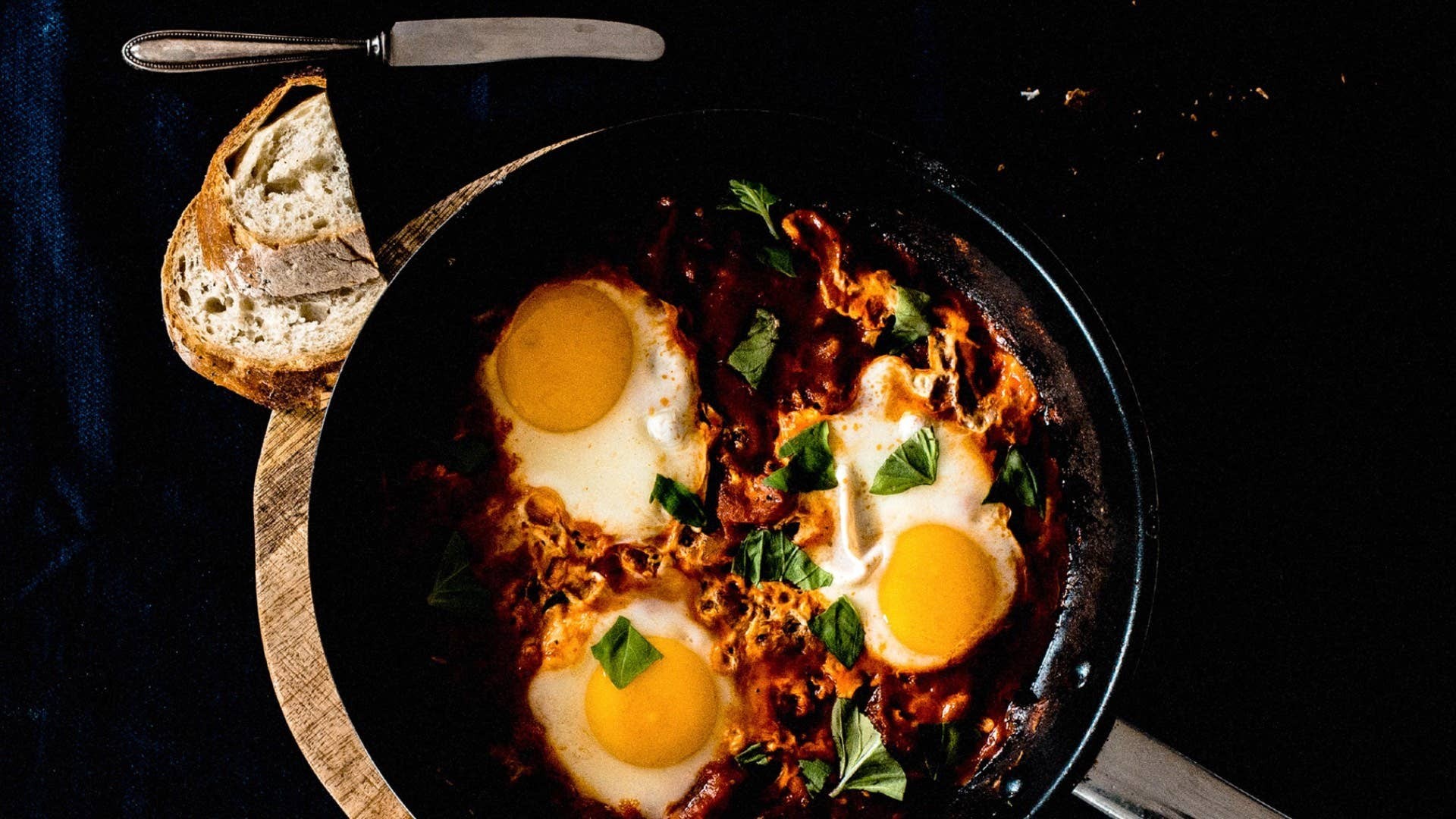
- Eggs — 6g per egg (one of the most bioavailable sources)
- Greek yoghurt — 10g per 100g (also great for gut health)
- Lean beef — 26g per 100g (also rich in iron and B12)
Plant Sources
- Lentils — 9g per 100g cooked (also high in fibre)
- Chickpeas — 8.9g per 100g cooked
- Tofu — 8g per 100g (complete protein)
- Quinoa — 4.4g per 100g cooked (complete protein)
- Nuts and seeds — 15–25g per 100g (also healthy fats)
Timing Matters: Spread It Out
Research shows that spreading protein evenly across meals is more effective for muscle synthesis than loading it all into dinner. Aim for 25–30g of protein at each meal.
Sample High-Protein Day
- Breakfast: 2 eggs + wholegrain toast + Greek yoghurt (25g)
- Lunch: Grilled chicken salad with chickpeas (35g)
- Snack: Handful of almonds + cheese (10g)
- Dinner: Baked salmon with quinoa and vegetables (35g)
Total: ~105g protein
Do You Need Protein Supplements?
Whole foods are always preferable, but supplements can help if you struggle to hit your target through food alone. Whey protein is well-studied and effective. If you're dairy-free, pea protein is a good plant-based alternative. Look for products with minimal added sugar.
The bottom line: protein is your most important macronutrient after 50. Combined with regular strength training, adequate protein intake is the foundation for maintaining muscle, bone, and overall vitality as you age.
Get your FREE 7-Day Beginner Workout Plan
A gentle, progressive week of strength, cardio, flexibility and balance — designed just for women over 50. Pop in your details and I'll send it straight away. 💪