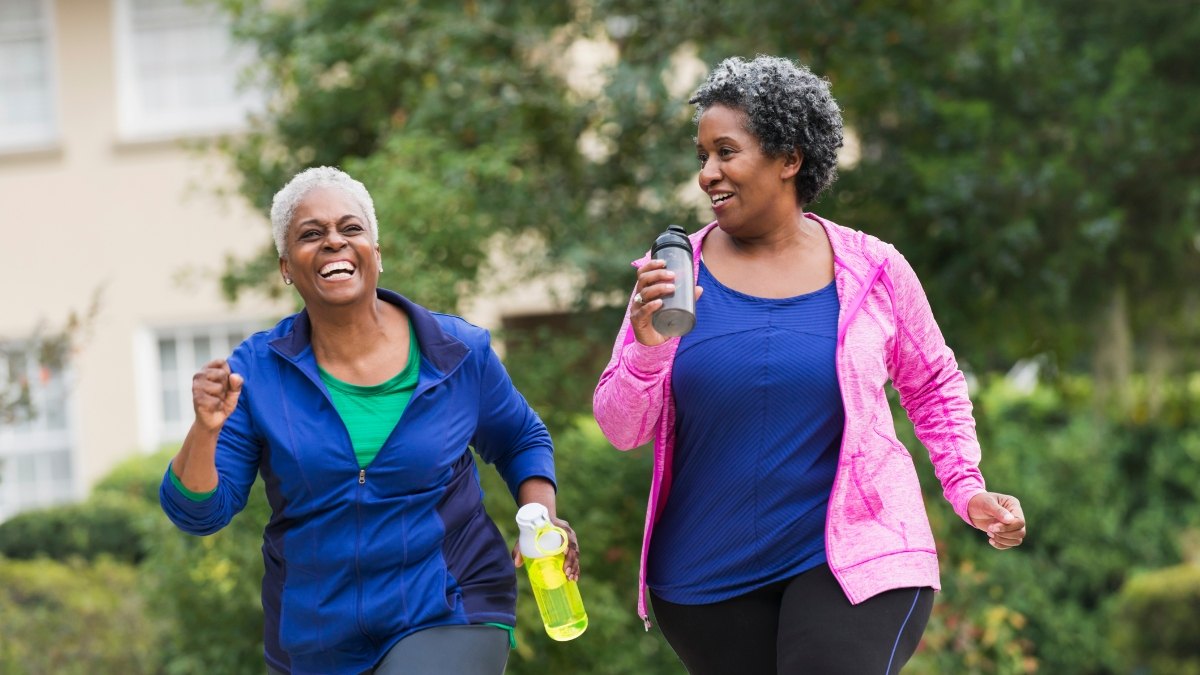
Why a Daily Walking Habit After 50 Is One of the Best Things You Can Do
If there's one habit that health experts, doctors, and women over 50 consistently rave about, it's walking. Not running, not high-intensity interval training — just good old-fashioned walking. And the research backs it up: a daily walking habit after 50 can protect your heart, strengthen your bones, sharpen your mind, and lift your mood in ways that are genuinely remarkable.
The best part? You don't need a gym membership, special equipment, or a lot of time. You just need a decent pair of shoes and the willingness to put one foot in front of the other.
What Walking Does for Your Body After 50
As we move through our fifties and beyond, our bodies change. Hormonal shifts, slower metabolism, and natural muscle loss can all creep up on us. But a consistent daily walking habit after 50 can push back against many of these changes in meaningful ways.
- Heart health: Brisk walking strengthens your heart, helps manage blood pressure, and improves your cholesterol profile. Research suggests that walking just 2.5 hours per week can reduce your risk of heart disease by up to 30%.
- Bone density: Walking is a weight-bearing exercise, which means it signals your bones to stay strong. For postmenopausal women, this is especially important — regular walking can reduce the risk of hip fractures by up to 40%.
- Blood sugar regulation: A short walk after meals can significantly improve insulin sensitivity and help your body manage blood glucose levels, reducing the risk of type 2 diabetes.
- Muscle maintenance: Walking engages your legs, glutes, and core, helping to slow the age-related muscle loss (sarcopenia) that can affect balance and independence.
- Brain protection: Regular walking increases blood flow to the hippocampus — the part of your brain responsible for memory and mood — and has been linked to a significantly reduced risk of dementia and Alzheimer's disease.
- Better sleep: Daily movement helps regulate your cortisol levels and supports your circadian rhythm, which can improve sleep quality — something many women over 50 struggle with.
How to Start a Daily Walking Habit After 50 (Without Overdoing It)
The biggest mistake people make when starting a new exercise habit is going too hard, too fast. You don't need to walk 10,000 steps on day one. In fact, starting small is the secret to making a daily walking habit after 50 actually stick.
Here's a gentle 8-week plan to build up gradually:
- Weeks 1–2: Aim for 4–5 walks per week, just 10–15 minutes each at an easy, comfortable pace. The goal is simply to establish the habit.
- Weeks 3–4: Increase to 15–20 minutes per walk, and start incorporating short bursts of brisker walking — even just 2–3 minutes at a time.
- Weeks 5–6: Build up to 20–25 minutes, walking at a mostly brisk pace with a gentle warm-up and cool-down at each end.
- Weeks 7–8: You're now walking 30 minutes at a brisk pace, 5 days a week. That's 150 minutes of moderate activity — exactly what health guidelines recommend.
Remember: three 10-minute walks spread throughout the day deliver the same cardiovascular and metabolic benefits as one 30-minute session. So if your schedule is busy, break it up — it all counts.
Practical Tips to Make Your Walking Habit Last
Get your FREE 7-Day Beginner Workout Plan
A gentle, progressive week of strength, cardio, flexibility and balance — designed just for women over 50. Pop in your details and I'll send it straight away. 💪
Knowing you should walk every day and actually doing it are two very different things. Here are some tried-and-true strategies to help your daily walking habit after 50 become as automatic as brushing your teeth.
1. Invest in Good Shoes
This is non-negotiable. Supportive, cushioned walking shoes that fit properly will protect your joints, prevent blisters, and make every walk more enjoyable. Visit a specialty shoe store if you can — they can assess your gait and recommend the right fit. Replace your shoes once the soles start to wear down.
2. Stack Your Walk onto an Existing Habit
Habit stacking is one of the most effective behaviour-change strategies around. Link your walk to something you already do every day — walk immediately after your morning coffee, after dinner, or after dropping the grandkids at school. The existing habit becomes the trigger for the new one.
3. Find a Walking Buddy
Walking with a friend, neighbour, or family member makes the time fly and adds a layer of accountability. You're far less likely to skip a walk when someone is waiting for you at the end of the street. Plus, a good chat while you walk is genuinely good for your mental health.
4. Make It Enjoyable
Load up a podcast, an audiobook, or a playlist you love. Save your favourite episodes for walking only — it gives you something to look forward to. Some women find that walking in nature, through a park or along a beach, adds an extra mood boost that makes the habit feel like a treat rather than a chore.
5. Track Your Progress
Whether it's a simple tick on a paper calendar, a note in your phone, or a fitness tracker on your wrist, tracking your walks gives you a visual record of your consistency. Seeing a streak of ticked-off days is surprisingly motivating — you won't want to break it.
6. Be Weather-Ready
Don't let a rainy day derail your habit. Have a backup plan: a shopping centre, an indoor track, or even laps around your home. A light rain jacket means you can walk in most weather. The more flexible your plan, the more consistent you'll be.
How Far Should You Walk Each Day After 50?
You've probably heard the 10,000-steps target, but research suggests that for women over 50, the health benefits start to level off at around 6,000–8,000 steps per day. That's roughly 4–5 kilometres, or about 45–60 minutes of walking. If you're just starting out, don't worry about step counts at all — focus on time and consistency first.
As you build your daily walking habit after 50, you can gradually increase your distance or add gentle hills to challenge yourself further. Walking on uneven terrain like grass or gravel also engages your stabilising muscles and improves balance — a real bonus as we age.
A Few Things to Keep in Mind
Walking is wonderfully safe, but a few sensible precautions will keep you comfortable and injury-free:
- Always warm up with 5 minutes of slow walking before picking up the pace.
- Cool down with another 5 minutes of easy walking and some gentle stretching afterwards.
- Mild muscle soreness when you first start is normal — sharp pain, swelling, or pain that changes the way you walk is not. See your GP if anything feels wrong.
- Stay hydrated, especially in warm weather, and wear sunscreen and a hat when walking outdoors.
- If you have any existing health conditions, check with your doctor before starting a new exercise routine.
Start Small, Stay Consistent, and Watch What Happens
Building a daily walking habit after 50 doesn't require willpower, a perfect schedule, or a dramatic lifestyle overhaul. It just requires showing up — even on the days when you only manage 10 minutes around the block. Those minutes add up. The habit builds. And before long, you'll wonder how you ever got through the day without your walk.
So lace up your shoes, step outside, and take that first step. Your future self will thank you for it.
Get your FREE 7-Day Beginner Workout Plan
A gentle, progressive week of strength, cardio, flexibility and balance — designed just for women over 50. Pop in your details and I'll send it straight away. 💪