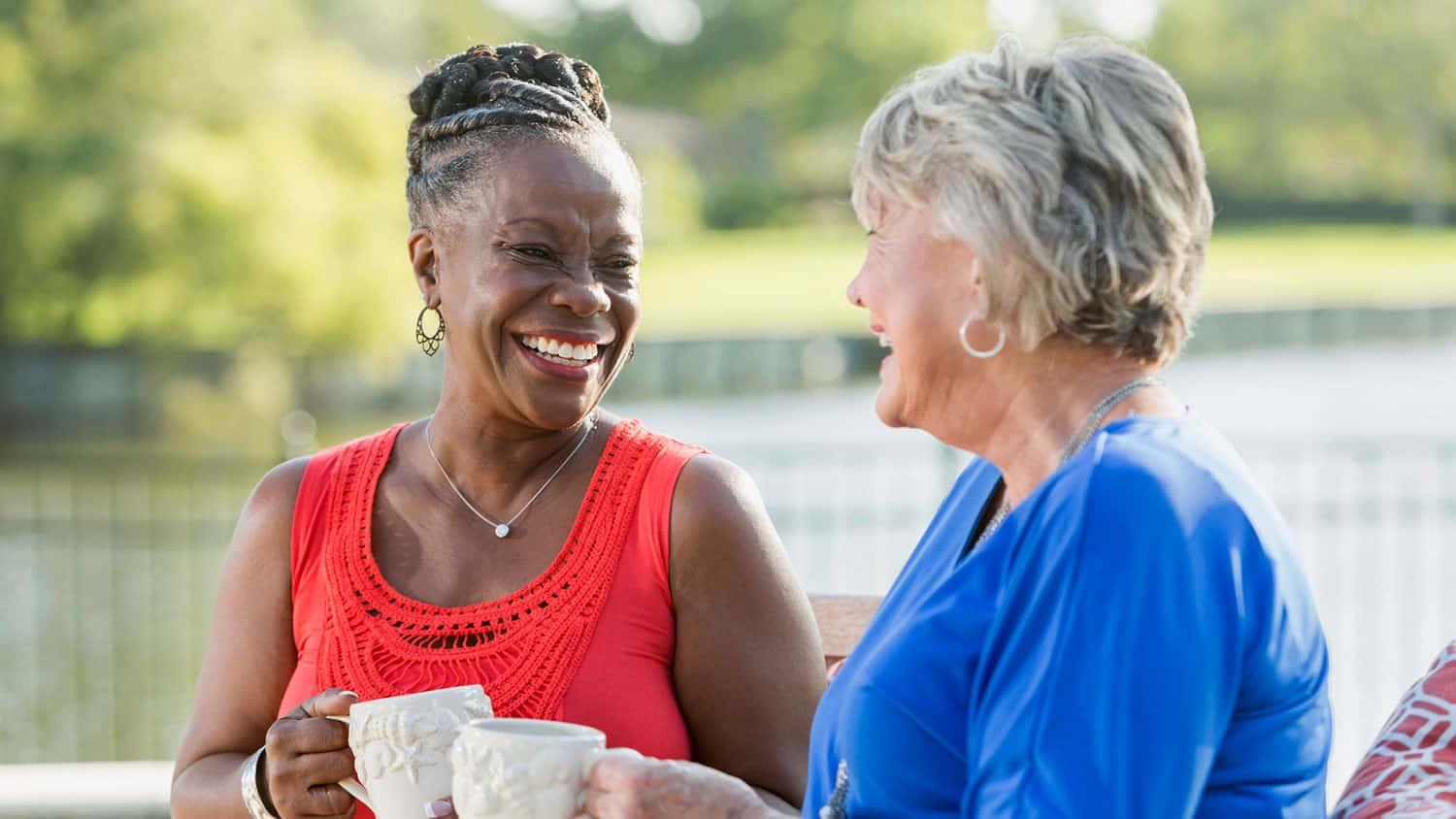
How to Improve Your Social Life After 50 and Feel Less Lonely
Loneliness after 50 is more common than most people admit — and it's nothing to be ashamed of. Children leave home, careers wind down, friendships drift apart, and the social structures that once filled your calendar can quietly disappear. But here's the good news: your 50s, 60s and beyond can actually be one of the richest chapters for connection, community and genuine belonging — if you're intentional about it.
Whether you're recently retired, newly single, or simply noticing that your social circle has shrunk, this guide will help you take practical steps to build a vibrant, fulfilling social life after 50.
Why Social Connection Matters More After 50
Research consistently shows that loneliness is as harmful to your health as smoking 15 cigarettes a day. For adults over 50, social isolation is linked to higher rates of depression, cognitive decline, heart disease and even early mortality. On the flip side, strong social connections are associated with better immune function, sharper memory, lower stress levels and a longer life.
This isn't about filling every moment with activity. It's about having meaningful, regular connection with people who genuinely care about you — and whom you care about in return.
Start With an Honest Assessment
Before you can improve your social life, it helps to understand where you're starting from. Ask yourself:
- How many people do I have a genuine conversation with each week?
- Do I have at least one person I could call in a crisis?
- When did I last laugh with someone in person?
- Are there activities I've been avoiding because I'd have to go alone?
There's no judgement here — just clarity. Knowing your starting point helps you set realistic, meaningful goals rather than overwhelming yourself with a social overhaul.
Reconnect With People Already in Your Life
Before seeking out new connections, consider the relationships that may have simply faded due to busyness or distance. Old friends, former colleagues, cousins you haven't spoken to in years — these people already share history with you, which makes reconnecting easier than starting from scratch.
A simple message like "I've been thinking about you — would love to catch up over a coffee or a call" is all it takes. Most people are genuinely touched to hear from someone who thought of them. Don't overthink it.
Tips for rekindling old friendships:
- Send a handwritten note or card — it stands out in a world of texts and emails
- Suggest a specific time and place rather than a vague "we should catch up"
- Share a memory or photo that reminded you of them to break the ice
- Be patient — people are busy, and a slow response doesn't mean they're not interested
Join Groups That Match Your Interests
One of the most effective ways to improve your social life after 50 is to join groups built around activities you already enjoy — or have always wanted to try. Shared interests create an instant foundation for conversation and connection, removing the awkwardness of meeting strangers cold.
Consider:
- Walking or hiking groups — many councils and community centres run free or low-cost options
- Book clubs — libraries often host these, and they're a wonderful mix of socialising and mental stimulation
- Art, craft or pottery classes — creative pursuits attract warm, curious people
- Gardening clubs — a popular choice for over-50s with a love of the outdoors
- Choir or community theatre — performing together builds surprisingly deep bonds
- Volunteer organisations — giving your time connects you with purpose-driven people
The key is to show up consistently. Friendships rarely form after a single visit. Give yourself at least four to six sessions before deciding whether a group is right for you.
Embrace Technology — On Your Own Terms
Get your FREE 7-Day Beginner Workout Plan
A gentle, progressive week of strength, cardio, flexibility and balance — designed just for women over 50. Pop in your details and I'll send it straight away. 💪
If you've been resistant to social media or video calls, it may be worth reconsidering — not to replace in-person connection, but to supplement it. Platforms like Facebook Groups, Meetup.com and even WhatsApp can help you find local events, stay in touch with distant friends and family, and discover communities of like-minded people.
Video calls with grandchildren, siblings or old friends can feel surprisingly warm once you get used to them. And online communities — whether around gardening, travel, health or creative writing — can provide a sense of belonging even on days when getting out isn't possible.
Getting started with technology for connection:
- Ask a younger family member to help you set up a video calling app like FaceTime or Zoom
- Search Meetup.com for local groups in your area — there are often dozens of options
- Join a Facebook Group around a hobby or interest and introduce yourself
- Schedule regular video calls with family members who live far away
Say Yes More Often (Even When It Feels Uncomfortable)
One of the quieter ways loneliness deepens is through the habit of saying no. It's easy to decline invitations when you're tired, anxious about fitting in, or simply out of practice with socialising. But every "no" makes the next invitation feel harder to accept.
Challenge yourself to say yes to the next three social invitations you receive — even if they feel slightly outside your comfort zone. You don't have to stay long. You don't have to be the life of the party. Just showing up is enough to begin rebuilding your social confidence.
If anxiety around social situations is holding you back, it's worth speaking with your GP or a counsellor. Social anxiety is common and very treatable, and you deserve support in addressing it.
Create Your Own Gatherings
Rather than waiting for invitations, consider hosting your own. You don't need a spotless home or elaborate catering — a simple afternoon tea, a casual dinner, or even a walk followed by coffee is enough. Being the one who initiates creates a sense of agency and often leads to reciprocal invitations.
Start small: invite one or two people you'd like to know better. As your confidence grows, you can expand to larger gatherings. Many wonderful social circles have started with a single person deciding to bring people together.
Consider Volunteering as a Social Strategy
Volunteering is one of the most underrated ways to improve your social life after 50. It gives you a regular commitment, a sense of purpose, and automatic exposure to a community of people who share your values. Whether you volunteer at a local food bank, animal shelter, hospital, or community garden, you'll find that the connections formed through shared service tend to be particularly meaningful.
In Australia, platforms like GoVolunteer and Seek Volunteer make it easy to find opportunities near you that match your skills and availability.
Be Patient With Yourself
Building a rich social life after 50 takes time. Friendships deepen slowly, through repeated contact and shared experiences. There will be awkward moments and connections that don't quite click — that's normal. What matters is that you keep showing up and investing in the relationships that feel nourishing.
You are not too old to make new friends. You are not too far gone to feel connected. Your best social years may still be ahead of you.
Get your FREE 7-Day Beginner Workout Plan
A gentle, progressive week of strength, cardio, flexibility and balance — designed just for women over 50. Pop in your details and I'll send it straight away. 💪