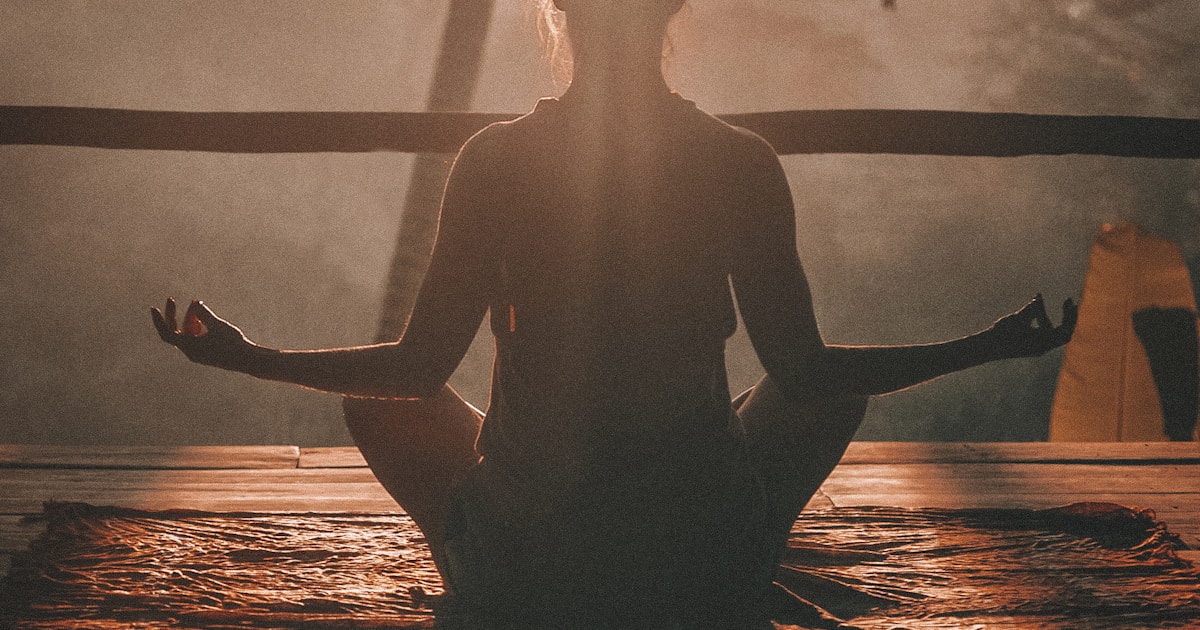
Stress doesn’t retire when you hit 50. In many ways, it intensifies. Hormonal changes, health concerns, caring for ageing parents, financial pressures, relationship shifts, empty nest syndrome — the list goes on. And here’s the thing: chronic stress after 50 isn’t just uncomfortable, it’s genuinely dangerous. It accelerates ageing, weakens your immune system, disrupts sleep, and increases your risk of heart disease, cognitive decline, and depression.
The good news? You don’t need medication or expensive retreats to manage it. Some of the most powerful stress-reduction tools are completely natural, free, and backed by serious science. Here are seven strategies that actually work.
1. Daily Breathwork (5 Minutes Is Enough)
This is the single fastest way to shift your nervous system from “fight or flight” to “rest and digest.” And the research is remarkable.
A Stanford University study published in Cell Reports Medicine found that just 5 minutes of structured breathing — specifically “cyclic sighing” (long exhales, shorter inhales) — reduced anxiety and improved mood more effectively than mindfulness meditation.
Another study found that slow, deep breathing reduced cortisol levels by up to 25% in participants practising for just 5 minutes daily. The technique activates your vagus nerve, which directly calms your stress response.
Try this: Breathe in for 4 counts, hold for 4, exhale for 6–8 counts. Repeat for 5 minutes. Do it first thing in the morning or whenever stress hits.
2. Time in Nature
The Japanese practice of shinrin-yoku (forest bathing) has been extensively studied, and the results are profound. Research published in Environmental Health and Preventive Medicine found that spending just 20 minutes in a natural setting significantly reduced cortisol, blood pressure, and heart rate.
A separate study from the University of Michigan found that walking in nature (as opposed to an urban environment) led to a 16% decrease in cortisol, a 21% decrease in heart rate, and a 28% improvement in mood.
You don’t need a forest. A park, garden, beach, or even sitting under a tree counts. The key is regularity — make it a daily habit, not an occasional treat.
3. Move Your Body (But Gently)
Exercise is one of the most well-documented stress reducers, but after 50, the type of movement matters. High-intensity exercise can actually increase cortisol if you’re already chronically stressed.
The sweet spot? Moderate, enjoyable movement. Research consistently shows that walking, yoga, tai chi, swimming, and dancing are particularly effective for stress reduction in midlife women. These activities lower cortisol, release endorphins, and improve sleep quality without overtaxing your nervous system.
Aim for 30 minutes of gentle-to-moderate movement most days. The key word is “enjoable” — if it feels like punishment, it won’t help your stress.
4. Prioritise Sleep
Get your FREE 7-Day Beginner Workout Plan
A gentle, progressive week of strength, cardio, flexibility and balance — designed just for women over 50. Pop in your details and I'll send it straight away. 💪
Sleep and stress exist in a vicious cycle — stress disrupts sleep, and poor sleep amplifies stress. Breaking this cycle is one of the most powerful things you can do for your wellbeing.
Research from the Journal of Clinical Sleep Medicine shows that a consistent bedtime routine — same time to bed, same time waking — can improve sleep quality by up to 42% within two weeks. Add to this:
- No screens 30–60 minutes before bed
- Keep your bedroom cool (16–18°C is optimal)
- Limit caffeine after 2pm
- Consider magnesium glycinate before bed (evidence supports its calming effects)
5. Adaptogenic Herbs
Adaptogens are natural substances that help your body adapt to stress. They’ve been used for centuries in traditional medicine, and modern research is catching up.
Ashwagandha is the most well-studied adaptogen for stress. A randomised controlled trial published in the Journal of the American Nutraceutical Association found that participants taking 300mg of ashwagandha twice daily experienced a 44% reduction in perceived stress and a significant decrease in serum cortisol levels.
Magnesium is another powerhouse. It’s involved in over 300 biochemical reactions in your body, including those that regulate your stress response. Research shows that many women over 50 are deficient, and supplementation can significantly improve anxiety, sleep, and mood.
Always consult your GP before starting new supplements, especially if you’re on medication.
6. Journalling Practice
It sounds simple, but the evidence for journalling as a stress-management tool is surprisingly robust. A landmark study by James Pennebaker at the University of Texas found that writing about stressful experiences for just 15–20 minutes a day led to measurable improvements in immune function and significant reductions in anxiety and depression.
You don’t need to be a writer. Just get your thoughts on paper. Try these approaches:
- Brain dump: Write everything on your mind without filtering
- Gratitude journal: List 3 things you’re grateful for each morning
- Worry journal: Write your worries before bed to “close the loop” on the day
7. Social Connection
This is perhaps the most important strategy on this list, and the one most often overlooked. Research from Harvard’s 80-year-long Study of Adult Development concluded that the quality of your relationships is the single strongest predictor of health and happiness in later life.
Meaningful social connection triggers the release of oxytocin, which directly counteracts cortisol. Even a 10-minute phone call with a close friend can measurably reduce your stress hormone levels.
After 50, social circles can naturally shrink. Make connection intentional: schedule regular catch-ups, join a class or group, volunteer, or simply make time for the people who lift you up.
The Bottom Line
Stress after 50 is inevitable, but suffering from it isn’t. These seven strategies are free (or nearly free), natural, evidence-based, and genuinely effective. The key is consistency — pick two or three that resonate with you and make them non-negotiable parts of your daily routine.
Find your calm. Find your strength. They’re closer than you think. 🌿
Get your FREE 7-Day Beginner Workout Plan
A gentle, progressive week of strength, cardio, flexibility and balance — designed just for women over 50. Pop in your details and I'll send it straight away. 💪