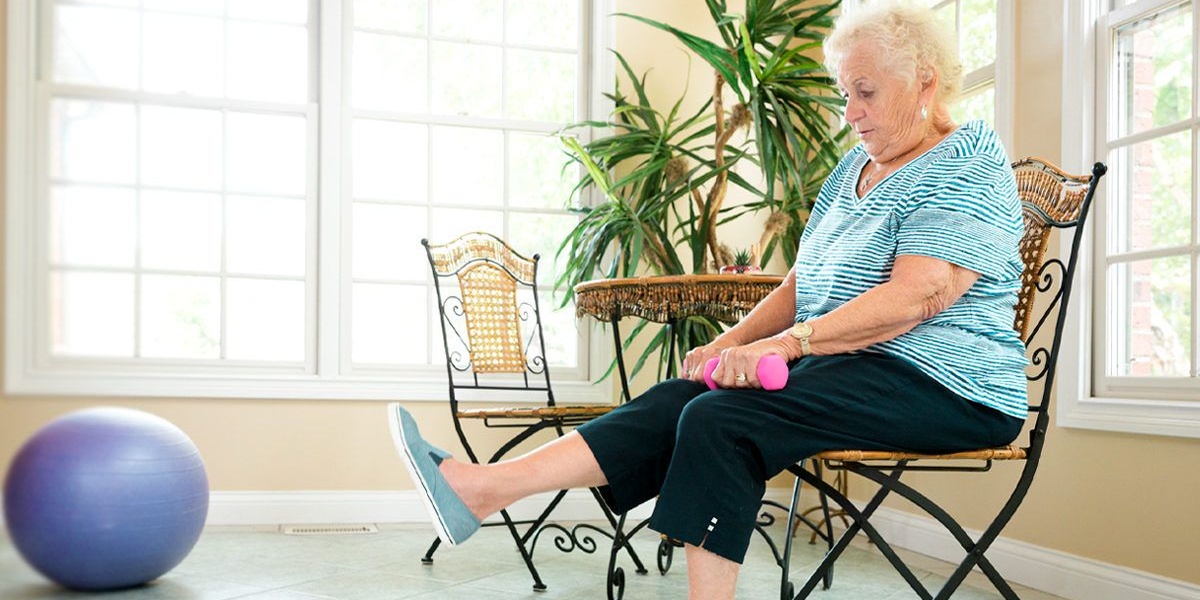
Think you need a gym, a yoga mat, or even the ability to get down on the floor to exercise? Think again.
Chair exercises are one of the most underrated forms of fitness for women over 50. They're gentle on joints, require zero equipment (besides a sturdy chair), and you can do them anywhere — your living room, office, or even while watching telly.
Whether you're recovering from an injury, dealing with mobility challenges, or simply want a low-impact way to stay strong and active, these 5 exercises are your new best friend.
Why Chair Exercises Are Brilliant After 50
Let's be honest — not everyone can get down on the floor comfortably. And that's perfectly okay. Chair exercises offer some serious benefits:
- Joint-friendly — no impact on knees, hips, or ankles
- Improve balance and stability — the chair provides support while you build strength
- Build functional strength — the muscles you need for everyday tasks like standing up, carrying groceries, and climbing stairs
- Boost circulation — get your blood flowing without high-intensity cardio
- Reduce stiffness — perfect if you sit at a desk all day or wake up feeling tight
- Can be done anywhere — home, office, hotel room, even in the garden
The key is using a sturdy, non-wheeled chair on a flat surface. A dining chair is perfect.
The 5 Exercises
1. Seated Marches 🦵
This is your warm-up and cardio rolled into one. It gets your heart rate up gently while engaging your core and hip flexors — muscles that are crucial for walking and climbing stairs.
How to do it:
- Sit tall on the edge of your chair, feet flat on the floor
- Lift your right knee toward your chest, keeping your back straight
- Lower it back down and repeat with your left knee
- Keep alternating, pumping your arms naturally like you're marching
- Aim for 30 seconds to 1 minute
Make it harder:
Speed up the pace, lift your knees higher, or add light ankle weights.
2. Chair Squats (Sit-to-Stand) 💪
This is arguably the most important exercise for women over 50. The ability to stand up from a seated position without using your hands is one of the best predictors of independence as you age.
How to do it:
- Sit on the edge of your chair, feet hip-width apart
- Cross your arms over your chest or extend them forward
- Lean slightly forward, engage your core
- Press through your heels and stand all the way up
- Slowly lower yourself back down — control the descent, don't just plop
- Repeat 8–12 times
Make it easier:
Use your hands on the chair arms to assist, or place a cushion on the seat so you don't have to lower as far.
3. Seated Leg Extensions 🦶
Strong quadriceps (front of your thighs) are essential for knee stability, walking, and — yes — getting out of chairs and climbing stairs. This exercise isolates them perfectly.
How to do it:
- Sit tall with your back against the chair
- Slowly extend your right leg out straight, toes pointed toward the ceiling
- Hold for 2–3 seconds, squeezing the front of your thigh
- Slowly lower back down — don't just drop it
- Repeat 10–12 times each leg
Make it harder:
Add a light ankle weight (0.5–1 kg) or hold the top position for 5 seconds.
4. Seated Torso Twists 🌀
Your spine needs rotation to stay healthy. This exercise targets your obliques and the muscles that support your spine — helping with posture, back pain, and the ability to look over your shoulder (hello, reversing the car!).
How to do it:
- Sit tall, feet flat on the floor, hands on your shoulders or holding a water bottle at chest height
- Slowly rotate your upper body to the right, keeping your hips facing forward
- Hold for 2 seconds, feeling the stretch through your mid-back
- Return to centre, then rotate to the left
- Repeat 8–10 times each side
Tip:
Move slowly and controlled — this isn't about speed, it's about range of motion. You should feel a gentle stretch, never pain.
5. Seated Heel Raises 🩰
Your calf muscles are your body's built-in shock absorbers and they play a huge role in balance and circulation. Weak calves are linked to poor ankle stability and swollen feet — both common complaints after 50.
How to do it:
- Sit tall, feet flat on the floor
- Press through the balls of your feet and lift both heels as high as you can
- Hold at the top for 2 seconds
- Slowly lower back down
- Repeat 15–20 times
Make it harder:
Place a heavy book or bag on your thighs for added resistance, or try one leg at a time.
How to Use These Exercises
Get your FREE 7-Day Beginner Workout Plan
A gentle, progressive week of strength, cardio, flexibility and balance — designed just for women over 50. Pop in your details and I'll send it straight away. 💪
Here's a simple routine you can follow:
- Warm-up: Seated Marches — 1 minute
- Circuit: Do each exercise for the recommended reps, one after the other
- Rest: 15–30 seconds between exercises
- Repeat: Complete 2–3 rounds of the full circuit
- Frequency: 3–4 times per week
The whole routine takes about 15–20 minutes — perfect for a morning wake-up, a lunch break, or an evening wind-down.
Who Are Chair Exercises Perfect For?
- Women recovering from surgery or injury
- Anyone with arthritis or joint pain
- People with balance or mobility challenges
- Office workers who sit for long hours
- Complete beginners who find floor exercises intimidating
- Anyone who wants a gentle, effective workout they can do anywhere
When to Progress
Once you can comfortably complete 3 rounds of all 5 exercises without feeling challenged, it's time to level up:
- Add light ankle weights (0.5–1 kg) for leg exercises
- Hold a water bottle or light dumbbell for torso twists
- Slow down your reps — the slower you go, the harder it is
- Add a pause at the hardest point of each exercise
- Try standing versions using the chair for balance only
The Bottom Line
You don't need a gym membership, a yoga mat, or the ability to get down on the floor to build strength, improve balance, and stay active after 50. All you need is a sturdy chair and 15 minutes.
These exercises might look simple, but don't underestimate them. Done consistently, they build the functional strength that keeps you independent, confident, and injury-free for years to come.
Start today. Your future self will thank you. 💛
Get your FREE 7-Day Beginner Workout Plan
A gentle, progressive week of strength, cardio, flexibility and balance — designed just for women over 50. Pop in your details and I'll send it straight away. 💪