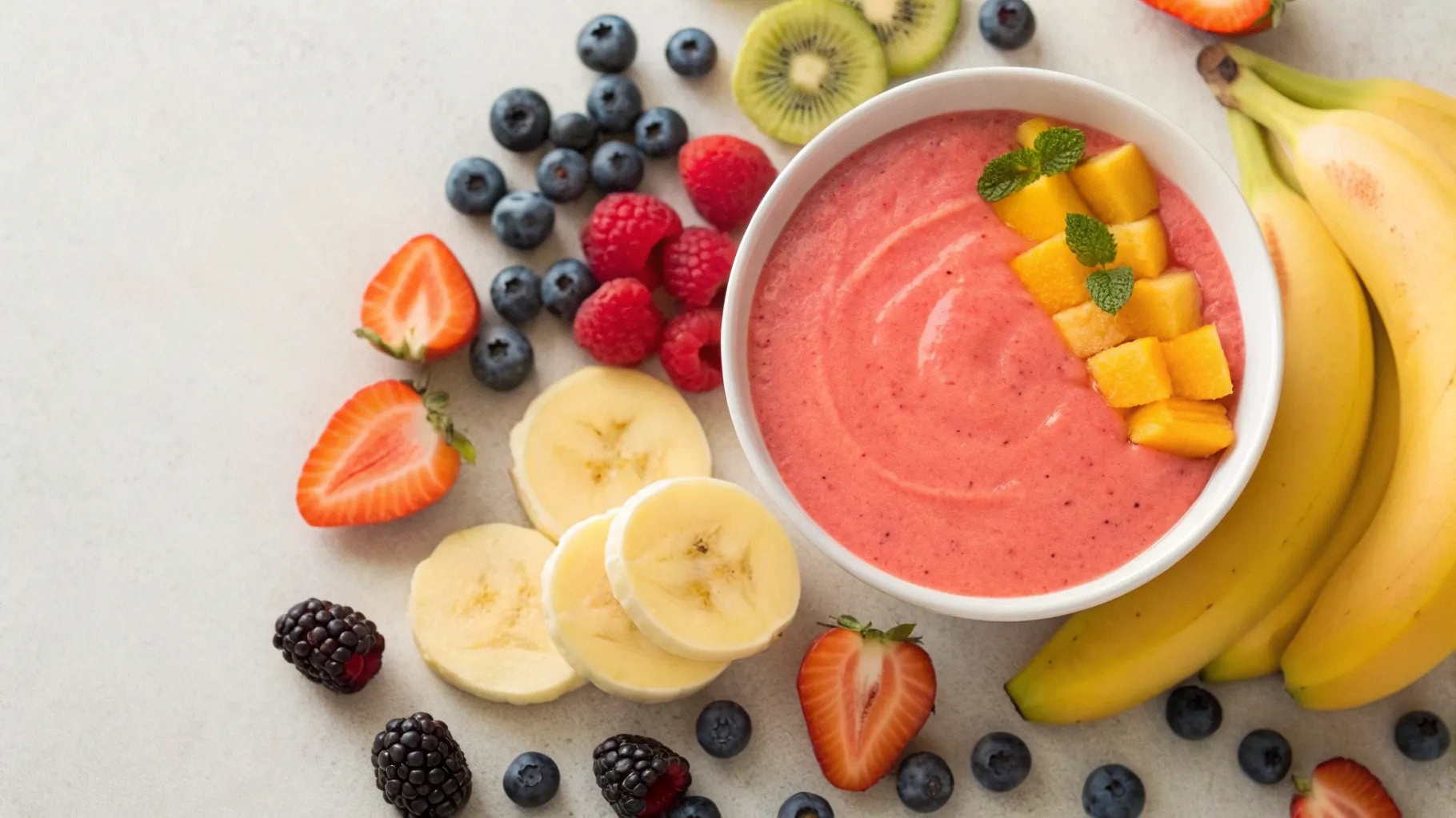
If you're constantly reaching for coffee just to get through the afternoon, or you feel like your energy crashes around 2pm every single day, this one's for you. What you eat has a massive impact on how energised you feel — especially after 50.
The wrong foods drain you. The right foods sustain you. Here are 7 simple, delicious foods that naturally boost your energy and keep it steady all day long — no caffeine crash required.
Why Energy Dips After 50
Before we get to the foods, let's understand why you're feeling so tired in the first place:
- Hormonal shifts — declining oestrogen affects energy production and sleep quality
- Reduced muscle mass — less metabolically active tissue means less baseline energy
- Blood sugar instability — your body becomes less efficient at regulating glucose
- Nutrient deficiencies — iron, B12, magnesium, and vitamin D levels often drop
- Poorer sleep quality — less deep sleep means less recovery
The good news? Food is one of the most powerful levers you have. The right foods stabilise blood sugar, deliver sustained energy, and provide the nutrients your body is craving.
The 7 Best Energy-Boosting Foods
Get your FREE 7-Day Beginner Workout Plan
A gentle, progressive week of strength, cardio, flexibility and balance — designed just for women over 50. Pop in your details and I'll send it straight away. 💪
1. Oats 🥣
Oats are the ultimate slow-release energy food. They're packed with complex carbohydrates, beta-glucan fibre, B vitamins, and iron — all of which support sustained energy production.
Unlike sugary cereals that spike and crash your blood sugar, oats release energy gradually over hours. A bowl of porridge with berries and nuts in the morning can power you through until lunch without a single energy dip.
How to eat them: Porridge with cinnamon, berries, and a drizzle of honey. Overnight oats with yogurt and seeds. Or blended into smoothies for a creamy base.
2. Eggs 🥚
Eggs are a complete protein powerhouse — meaning they contain all 9 essential amino acids your body can't make on its own. They also deliver B vitamins (especially B12), choline for brain energy, and healthy fats that keep you satisfied.
A protein-rich breakfast with eggs keeps your blood sugar stable and prevents the mid-morning crash that comes from carb-heavy meals like toast and juice alone.
How to eat them: Scrambled, poached, boiled, or as an omelette loaded with veggies. Don't skip the yolk — that's where the best nutrients live.
3. Bananas 🍌
Nature's energy bar. Bananas are rich in potassium, natural sugars, vitamin B6, and fibre — the perfect combo for a quick but sustained energy hit. The natural sugars give you an immediate lift, while the fibre slows absorption so you don't crash.
They're also brilliant for exercise — potassium helps prevent muscle cramps and supports heart function.
How to eat them: On their own as a snack, sliced on porridge, blended into smoothies, or paired with a tablespoon of peanut butter for a protein boost.
4. Salmon 🐟
Salmon is one of the best sources of omega-3 fatty acids and high-quality protein. Omega-3s reduce inflammation (a major energy drainer), support brain function, and improve mood — all of which translate to feeling more alert and focused.
The B vitamins in salmon (especially B12 and niacin) play a direct role in converting food into energy. Low B12 is one of the most common nutrient deficiencies after 50 and a major cause of fatigue.
How to eat it: Baked, pan-seared, or tinned (budget-friendly and just as nutritious). Aim for 2–3 serves of oily fish per week.
5. Sweet Potato 🍠
Sweet potatoes are a complex carbohydrate goldmine. They're packed with fibre, beta-carotene (vitamin A), manganese, and potassium. The fibre slows down digestion, delivering a steady stream of energy rather than a spike and crash.
They're also naturally anti-inflammatory and support gut health — both of which affect your energy levels more than you'd think.
How to eat them: Roasted as a side dish, mashed, baked whole, or cubed into salads and grain bowls. They're versatile and naturally sweet — no added sugar needed.
6. Spinach 🥬
Spinach is loaded with iron, magnesium, and folate — three nutrients that directly impact energy production. Iron carries oxygen to your cells (low iron = fatigue). Magnesium supports over 300 enzyme reactions, including energy metabolism. Folate helps produce red blood cells.
After 50, iron and magnesium deficiencies are incredibly common, especially in women. Adding spinach regularly can make a noticeable difference.
How to eat it: Sautéed as a side, blended into smoothies (you won't taste it), tossed into salads, stirred into soups, or added to omelettes.
7. Nuts & Seeds 🥜
Almonds, walnuts, chia seeds, and pumpkin seeds are energy-dense, nutrient-packed snacks. They deliver healthy fats, protein, fibre, magnesium, and zinc — keeping you fuelled between meals without the sugar crash.
Pumpkin seeds in particular are one of the best food sources of magnesium. Walnuts are high in omega-3s. Almonds deliver vitamin E and calcium. Every handful is a nutrition bomb.
How to eat them: A small handful (30g) as an afternoon snack, sprinkled on yogurt or porridge, added to salads, or blended into smoothies.
A Day of Energy-Boosting Eating
Here's what a full day could look like using these 7 foods:
- Breakfast: Porridge with banana, walnuts, and cinnamon
- Morning snack: 2 boiled eggs
- Lunch: Salmon fillet with roasted sweet potato and sautéed spinach
- Afternoon snack: Small handful of mixed nuts + an apple
- Dinner: Omelette with spinach and mushrooms, side salad
Notice there's no caffeine, no sugar hits, no energy drinks — just real food that actually fuels your body.
The Bottom Line
You don't need supplements, energy drinks, or endless cups of coffee to feel energised after 50. You need the right foods, eaten consistently. These 7 foods stabilise your blood sugar, deliver essential nutrients, and give your body the fuel it actually needs.
Start by adding 2–3 of these to your daily meals this week and notice the difference. Your energy levels are a direct reflection of what you eat. ⚡
Get your FREE 7-Day Beginner Workout Plan
A gentle, progressive week of strength, cardio, flexibility and balance — designed just for women over 50. Pop in your details and I'll send it straight away. 💪