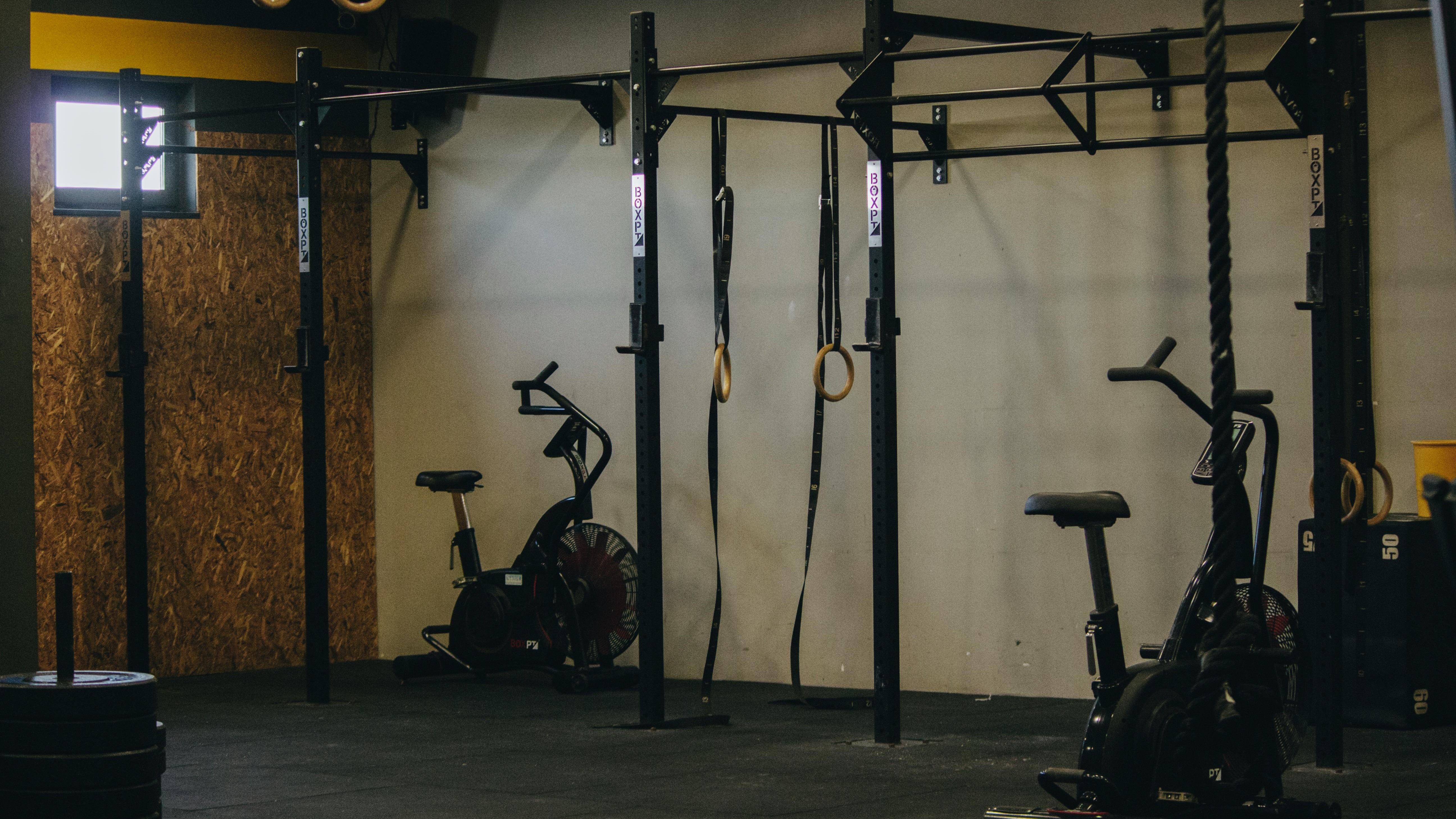
Walking into a gym for the first time (or the first time in years) can feel intimidating at any age. But for adults over 50, the gym is one of the best investments you can make in your health, mobility, and independence. This guide will walk you through everything you need to get started safely and confidently.
Before You Start: The Basics
- Get medical clearance if you have heart conditions, joint problems, or haven't exercised in over a year
- Wear supportive shoes — cross-trainers or running shoes with good cushioning
- Bring a water bottle and a small towel
- Don't skip the warm-up — 5–10 minutes of walking or light cycling gets blood flowing
Week 1–2: Foundation Phase
Focus on learning movements with bodyweight or very light weights. Do this routine 3 days per week with rest days in between.
Full Body Circuit (30–35 minutes)
- Treadmill walk — 5 minutes at comfortable pace (warm-up)
- Bodyweight squats to bench — 2 sets of 10 (sit down, stand up)
- Wall push-ups — 2 sets of 10
- Seated cable row (or resistance band row) — 2 sets of 10
- Leg press (light weight) — 2 sets of 10
- Seated shoulder press (light dumbbells or machine) — 2 sets of 10
- Plank (from knees if needed) — 2 sets of 15–20 seconds
- Stretching — 5 minutes (quads, hamstrings, chest, shoulders)
Key focus: Learn proper form. If unsure, ask a staff member or book one session with a trainer who specialises in older adults.
Week 3–4: Building Phase
Get your FREE 7-Day Beginner Workout Plan
A gentle, progressive week of strength, cardio, flexibility and balance — designed just for women over 50. Pop in your details and I'll send it straight away. 💪
Increase to 3 sets and add light weights where you were using bodyweight.
Day A — Upper Body Focus
- Warm-up — 5 minutes treadmill or bike
- Chest press machine — 3 sets of 10
- Seated cable row — 3 sets of 10
- Shoulder press machine — 3 sets of 10
- Bicep curls (dumbbells) — 2 sets of 12
- Tricep pushdowns (cable) — 2 sets of 12
- Plank — 2 sets of 20–30 seconds
Day B — Lower Body Focus
- Warm-up — 5 minutes
- Leg press — 3 sets of 10
- Leg curl machine — 3 sets of 10
- Leg extension machine — 3 sets of 10
- Calf raises (standing on step) — 2 sets of 15
- Glute bridges — 3 sets of 12
- Seated twist (core) — 2 sets of 10 each side
Weekly schedule: Monday (Day A), Wednesday (Day B), Friday (Day A). Alternate the following week: Monday (Day B), Wednesday (Day A), Friday (Day B).
How Heavy Should You Lift?
Choose a weight where you can complete all reps with good form but the last 2–3 reps feel challenging. If you can easily do 15+ reps, increase the weight slightly. If you can't reach 8 reps with good form, lighten the load.
Common Mistakes to Avoid
- Too much too soon — start lighter than you think you need to
- Skipping warm-ups and stretching — critical for injury prevention
- Holding your breath — breathe out on the effort, in on the return
- Comparing yourself to others — everyone started somewhere
- Ignoring pain — muscle fatigue is normal, sharp pain is not
Beyond Week 4
After your first month, you'll have built a solid base. From here you can:
- Gradually increase weights every 1–2 weeks
- Add a fourth day if you feel ready
- Try a group fitness class for variety
- Consider working with a personal trainer for a customised program
The most important thing? Consistency beats intensity. Three moderate sessions per week, done consistently, will deliver remarkable results over 3–6 months. You'll feel stronger, move better, and wonder why you didn't start sooner.
Get your FREE 7-Day Beginner Workout Plan
A gentle, progressive week of strength, cardio, flexibility and balance — designed just for women over 50. Pop in your details and I'll send it straight away. 💪