Here's a statistic that might surprise you: heart disease is the single leading cause of death for Australian women — killing three times more women than breast cancer. Yet many women underestimate their cardiovascular risk, especially after 50.
The good news? Up to 80% of heart disease is preventable through lifestyle changes. And it's never too late to start.
Why Heart Risk Increases After 50
Before menopause, oestrogen provides a protective effect on the heart and blood vessels. After menopause, this protection diminishes, and women's heart disease risk rises dramatically to match — and eventually exceed — men's risk. Other age-related factors include:
- Blood vessels becoming stiffer and less elastic
- Increased blood pressure
- Changes in cholesterol levels
- Higher rates of type 2 diabetes
- Reduced physical activity
Know Your Numbers
Regular health checks are essential. Ask your GP to monitor:
- Blood pressure — aim for under 120/80 mmHg
- Cholesterol — total cholesterol under 5.5 mmol/L
- Blood glucose — fasting glucose under 5.5 mmol/L
- Waist circumference — under 80cm for women
- BMI — between 18.5 and 24.9
Heart-Healthy Eating
Get your FREE 7-Day Beginner Workout Plan
A gentle, progressive week of strength, cardio, flexibility and balance — designed just for women over 50. Pop in your details and I'll send it straight away. 💪
The Mediterranean diet consistently shows the strongest evidence for heart protection:
- Plenty of vegetables and fruits — aim for 5+ serves of vegetables and 2 serves of fruit daily
- Healthy fats — olive oil, avocado, nuts, and oily fish (salmon, sardines, mackerel)
- Whole grains — oats, brown rice, quinoa, and wholegrain bread
- Legumes — lentils, chickpeas, and beans are heart-healthy powerhouses
- Limit sodium — aim for less than 2,000mg per day
- Reduce processed foods — they're typically high in sodium, sugar, and unhealthy fats
Exercise for Your Heart
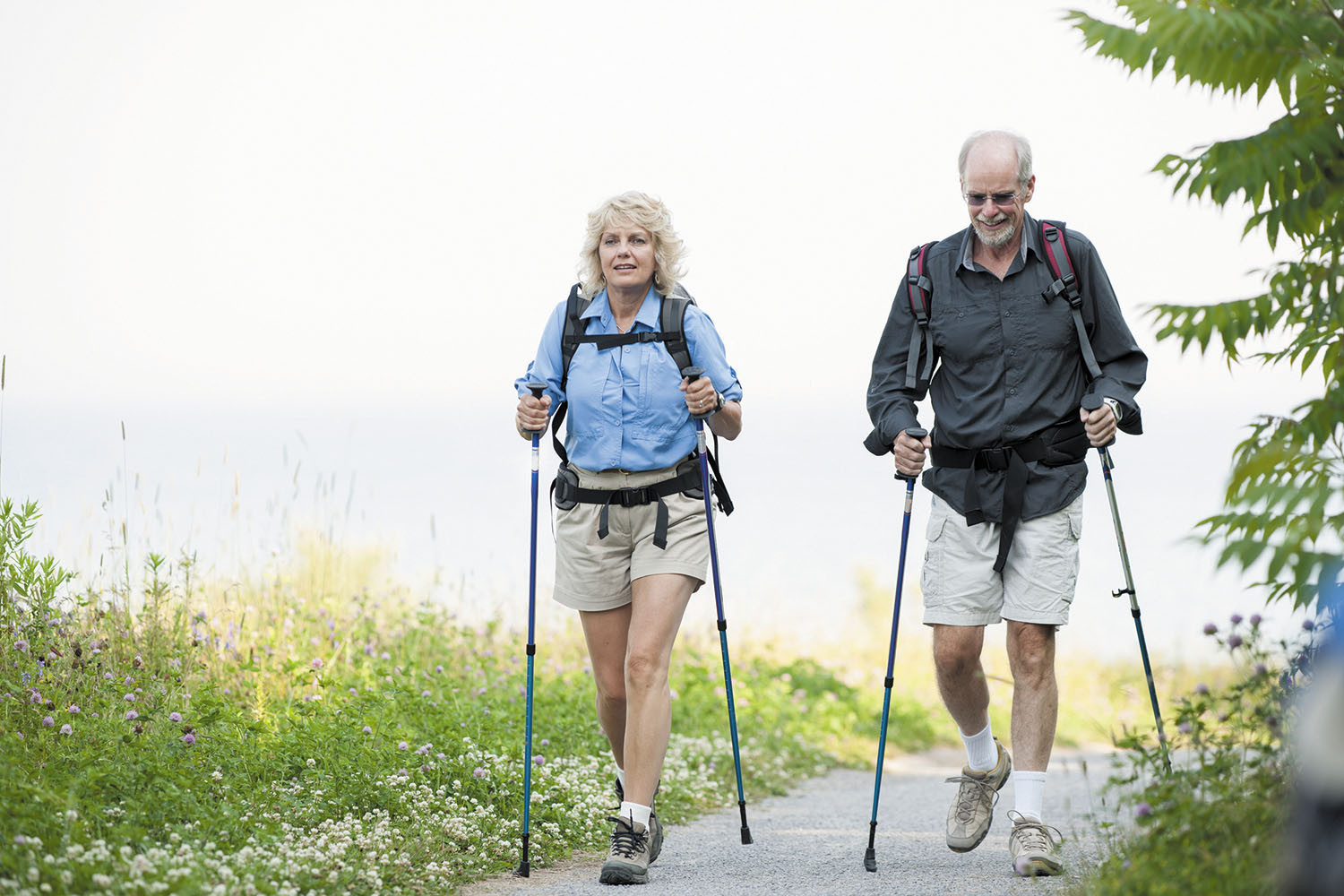
The Heart Foundation recommends at least 150 minutes of moderate-intensity exercise per week. This could look like:
- 30 minutes of brisk walking, 5 days a week
- Swimming or water aerobics 3–4 times per week
- A combination of cardio and strength training
- Dancing, cycling, or any activity that raises your heart rate
Stress and Your Heart
Chronic stress is a major but often overlooked risk factor for heart disease. Stress hormones raise blood pressure, increase inflammation, and can lead to unhealthy coping behaviours like overeating or excessive alcohol consumption. Prioritising stress management isn't a luxury — it's heart protection.
Warning Signs Women Shouldn't Ignore
Women's heart attack symptoms often differ from the classic "chest-clutching" image. Watch for:
- Unusual fatigue or shortness of breath
- Pain in the jaw, neck, back, or arms
- Nausea, dizziness, or cold sweats
- A feeling of pressure or squeezing in the chest
- Indigestion-like symptoms that don't resolve
If you experience any of these, call 000 immediately. It's always better to be safe.
Your heart has been beating for you every second of your life. Now it's time to return the favour.
Get your FREE 7-Day Beginner Workout Plan
A gentle, progressive week of strength, cardio, flexibility and balance — designed just for women over 50. Pop in your details and I'll send it straight away. 💪