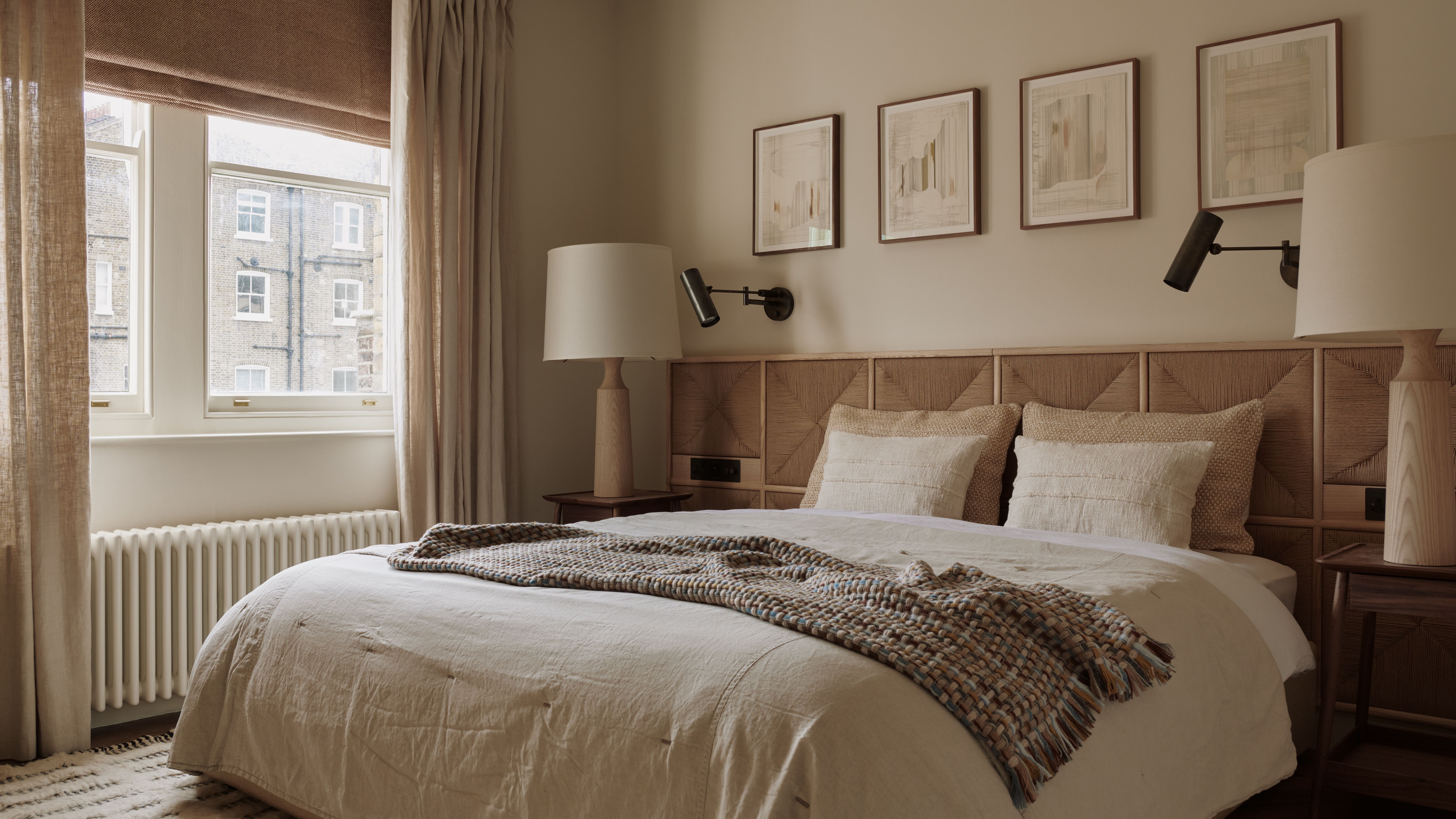
If you're over 50 and struggling with sleep, you're not alone. Studies show that up to 50% of older adults report difficulty falling asleep, staying asleep, or waking too early. But while sleep patterns naturally change with age, chronic poor sleep is not a normal part of ageing — and it has real health consequences.
Why Sleep Changes After 50
Several factors contribute to sleep changes in midlife and beyond:
- Less melatonin production — the sleep hormone declines with age
- Lighter sleep — you spend less time in deep sleep stages
- Earlier circadian rhythm — the natural tendency to feel sleepy earlier and wake earlier
- Hormonal changes — menopause-related hot flashes and night sweats disrupt sleep for many women
- Medications — some common medications (blood pressure, antidepressants, steroids) affect sleep
1. Lock In a Consistent Schedule
Go to bed and wake up at the same time every day — including weekends. This is the single most powerful thing you can do for sleep quality. Your body's circadian clock thrives on regularity. Even a 30-minute variation can disrupt sleep architecture.
2. Get Morning Sunlight
Spend 15–30 minutes in natural sunlight within an hour of waking. Morning light exposure resets your circadian rhythm and boosts daytime alertness, which in turn improves nighttime sleep. This is especially important in winter months.
3. Create a Pre-Sleep Ritual
Start winding down 60–90 minutes before bed. Dim the lights, put away screens (the blue light suppresses melatonin), and do something calming: reading, gentle stretching, a warm bath, or listening to relaxing music. Consistency is key — your brain learns to associate the ritual with sleepiness.
4. Watch Your Caffeine Window
Get your FREE 7-Day Beginner Workout Plan
A gentle, progressive week of strength, cardio, flexibility and balance — designed just for women over 50. Pop in your details and I'll send it straight away. 💪
Caffeine has a half-life of 5–7 hours, and sensitivity increases with age. That 3pm coffee is still in your system at bedtime. Set a personal caffeine cutoff — for most people over 50, that means no caffeine after midday. Don't forget that tea, chocolate, and some medications contain caffeine too.
5. Optimise Your Sleep Environment
- Temperature: Keep your bedroom at 18–20°C. A cooler room promotes better sleep
- Darkness: Use blackout curtains or an eye mask. Even small amounts of light can suppress melatonin
- Noise: Use earplugs or a white noise machine if you're a light sleeper
- Mattress: If yours is more than 8 years old, consider replacing it. A supportive mattress makes a real difference
6. Exercise — But Time It Right
Regular exercise is one of the best sleep aids. It increases time spent in deep sleep and helps you fall asleep faster. However, vigorous exercise within 2–3 hours of bedtime can be stimulating. Aim to finish intense workouts by late afternoon. Gentle yoga or stretching in the evening is fine and can actually promote sleep.
7. Manage Night Waking
Waking briefly during the night is normal. The problem is when you can't get back to sleep. If you're awake for more than 20 minutes:
- Get up and go to another room
- Do something quiet and boring in dim light (not your phone)
- Return to bed only when you feel sleepy again
- Avoid clock-watching — turn the clock away from view
When to See a Doctor
Consult your GP if sleep problems persist for more than a month, if you snore heavily or gasp during sleep (possible sleep apnoea), or if daytime sleepiness affects your safety. Sleep apnoea is significantly underdiagnosed in older adults and is treatable.
Good sleep is not a luxury — it's essential for immune function, memory consolidation, muscle repair, and emotional regulation. Prioritise it as seriously as you would exercise and nutrition.
Get your FREE 7-Day Beginner Workout Plan
A gentle, progressive week of strength, cardio, flexibility and balance — designed just for women over 50. Pop in your details and I'll send it straight away. 💪