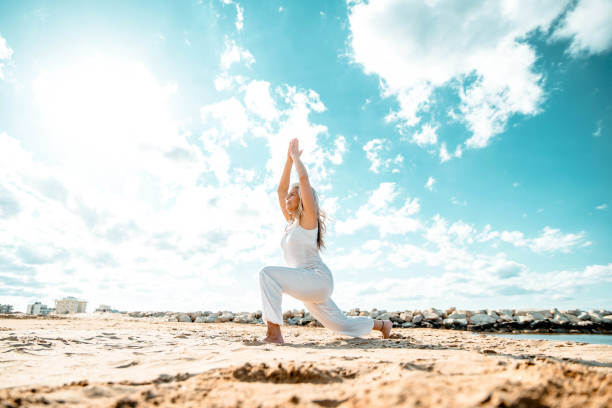
When people think of yoga, they often picture young, ultra-flexible people twisting into pretzel shapes. But yoga is one of the most beneficial and accessible forms of exercise for adults over 50 — and you absolutely don't need to be flexible to start.
The Benefits Go Far Beyond Flexibility
Regular yoga practice has been shown to:
- Improve flexibility and range of motion — combating the stiffness that comes with age
- Build functional strength — holding poses strengthens muscles you use every day
- Enhance balance — reducing fall risk significantly
- Reduce chronic pain — particularly back pain, arthritis, and joint stiffness
- Lower blood pressure — the breathing practices activate the parasympathetic nervous system
- Improve mental health — reducing anxiety, depression, and stress
- Support better sleep — gentle evening yoga can improve sleep quality
Best Yoga Styles for Over 50s
Not all yoga is created equal. Here are the styles that work best for our age group:
- Hatha Yoga — gentle pace with focus on basic poses and breathing. Perfect for beginners.
- Yin Yoga — slow, held poses that target deep connective tissue and improve flexibility
- Chair Yoga — all poses are done seated or using a chair for support. Ideal if you have mobility limitations.
- Restorative Yoga — uses props to support the body in passive poses. Deeply relaxing and great for stress relief.
Getting Started at Home
Get your FREE 7-Day Beginner Workout Plan
A gentle, progressive week of strength, cardio, flexibility and balance — designed just for women over 50. Pop in your details and I'll send it straight away. 💪
You don't need a studio membership to begin. Here's what you need:
- A yoga mat (or carpet will do initially)
- Comfortable clothing that allows movement
- A chair, cushion, or yoga blocks for support
- A quiet space where you won't be disturbed
Start with just 15–20 minutes, 2–3 times per week. YouTube has excellent free classes specifically for older adults — search for "gentle yoga for seniors" or "yoga for over 50s."
Essential Poses to Try
- Cat-Cow — gently mobilises the spine and relieves back tension
- Warrior II — builds leg strength and opens the hips
- Tree Pose — improves balance (use a wall for support if needed)
- Seated Forward Fold — stretches the hamstrings and calms the mind
- Legs Up the Wall — reduces swelling, relieves tired legs, and promotes relaxation
Listen to Your Body
The most important principle in yoga is ahimsa — non-harm. Never force a pose. Use modifications freely. If something hurts, back off. Yoga isn't about competing or performing — it's about connecting with your body and meeting it where it is today.
The best time to start yoga was 20 years ago. The second best time is today.
Get your FREE 7-Day Beginner Workout Plan
A gentle, progressive week of strength, cardio, flexibility and balance — designed just for women over 50. Pop in your details and I'll send it straight away. 💪