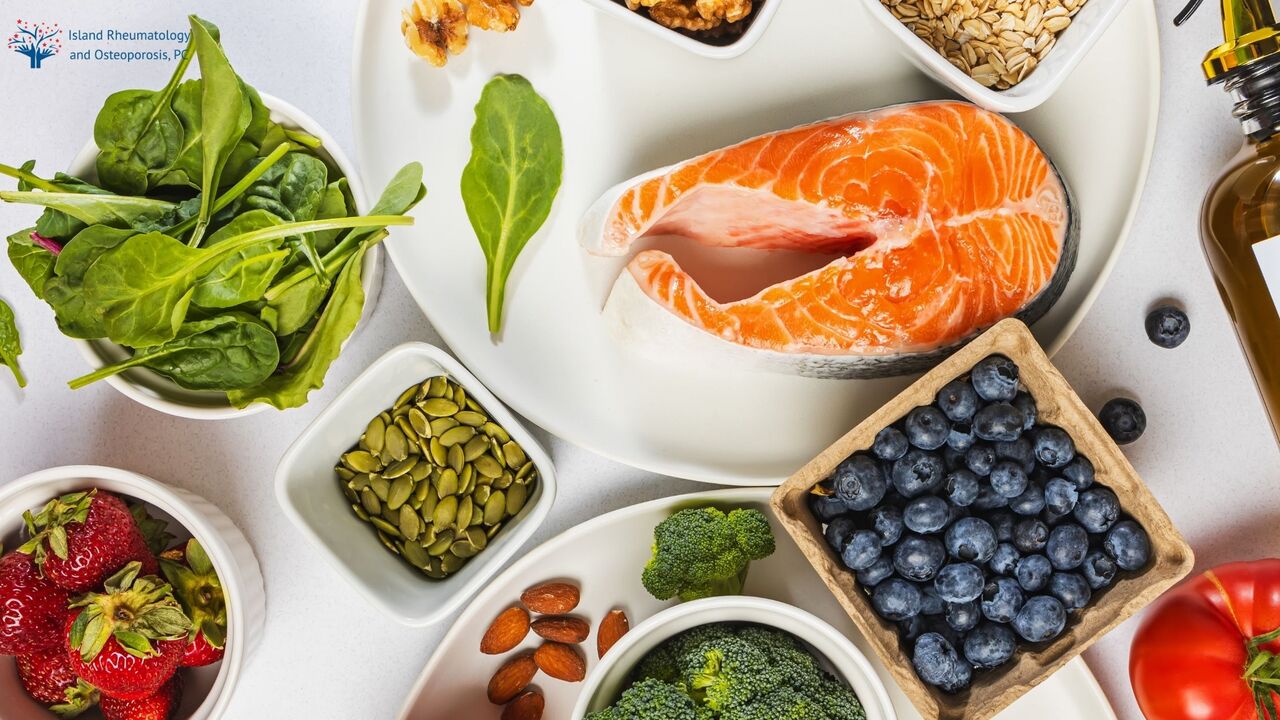
If you're dealing with joint stiffness, unexplained fatigue, brain fog, or stubborn weight gain after 50, there's a good chance chronic low-grade inflammation is playing a role. The good news? Some of the most powerful anti-inflammatory tools on the planet are sitting in your kitchen right now.
This guide covers the 10 best anti-inflammatory foods every woman over 50 should eat — along with simple ways to add them to your plate. No fancy supplements required.
Why Inflammation Matters More After 50
Acute inflammation is healthy — it's your body healing a cut or fighting an infection. But chronic inflammation is a slow, persistent fire that damages tissues over time. It's strongly linked to:
- Heart disease and high blood pressure
- Type 2 diabetes and insulin resistance
- Arthritis, joint pain, and stiffness
- Cognitive decline and Alzheimer's disease
- Weight gain (especially around the midsection)
- Hormonal imbalance, depression, and anxiety
After 50, inflammation naturally rises due to hormonal shifts (especially oestrogen decline), reduced physical activity, stress, and poor sleep. But your diet can dramatically turn the tide — often within weeks.
The 10 Best Anti-Inflammatory Foods for Women Over 50
1. Berries 🫐
Blueberries, strawberries, raspberries, and blackberries are packed with anthocyanins — powerful antioxidants that reduce inflammatory markers, support healthy skin, and boost brain function. Frozen berries are just as nutritious as fresh and far more affordable.
Try it: A daily handful in Greek yoghurt, porridge, or smoothies.
2. Leafy Greens 🥬
Spinach, kale, silverbeet, and rocket are rich in vitamins A, C, K, magnesium, and anti-inflammatory flavonoids. They also support bone health — critical after menopause.
Try it: Add a handful to scrambled eggs, soups, pasta sauces, or smoothies. Aim for one serving daily.
3. Fatty Fish (Salmon) 🐟
Salmon, sardines, mackerel, and trout are the richest natural sources of omega-3 fatty acids (EPA and DHA) — among the most potent natural anti-inflammatories on Earth. Omega-3s also support heart and brain health.
Try it: 2–3 servings per week. Wild-caught is ideal; tinned salmon and sardines are budget-friendly alternatives.
4. Avocados 🥑
Loaded with healthy monounsaturated fats, fibre, potassium, and carotenoids that reduce inflammation and support hormone balance. Avocados also help your body absorb fat-soluble vitamins from other veggies.
Try it: Half an avocado daily on toast, in salads, or blended into smoothies for creaminess.
5. Turmeric ✨
The golden spice contains curcumin — one of the most well-studied anti-inflammatory compounds in nutritional science. Pair turmeric with black pepper (which boosts absorption by up to 2,000%) and a healthy fat.
Try it: Add to curries, scrambled eggs, soups, or make a nightly golden milk before bed.
6. Nuts (Almonds & Walnuts) 🌰
Walnuts are especially rich in plant-based omega-3s. Almonds deliver vitamin E, magnesium, and fibre. Both fight inflammation and support muscle health — a priority after 50.
Try it: A small handful (about 30g) daily as a snack or sprinkled on salads and yoghurt.
7. Extra Virgin Olive Oil 🫒
The cornerstone of the Mediterranean diet. It contains oleocanthal — a natural compound with anti-inflammatory effects similar to ibuprofen. Choose cold-pressed and store away from heat and light.
Try it: Drizzle on salads, steamed veggies, or finished dishes. Avoid high-heat frying.
8. Green Tea 🍵
Contains EGCG (epigallocatechin gallate) — a potent polyphenol that reduces inflammation, supports metabolic health, and may even protect brain function as you age.
Try it: Replace one daily coffee with green tea. Matcha is an even more concentrated source.
9. Broccoli 🥦
A member of the cruciferous family, broccoli is rich in sulforaphane — a compound that lowers inflammatory markers and supports detoxification and hormone balance.
Try it: Lightly steam or roast with olive oil and garlic. Raw florets in salads also retain the most sulforaphane.
10. Chia Seeds 🌱
Tiny but mighty — chia seeds deliver plant-based omega-3s (ALA), fibre, and protein. They support digestion, blood sugar balance, and heart health — all inflammation-related concerns after 50.
Try it: Stir 1 tablespoon into yoghurt, oats, or make an overnight chia pudding.
Foods That Increase Inflammation (Limit These)
Get your FREE 7-Day Beginner Workout Plan
A gentle, progressive week of strength, cardio, flexibility and balance — designed just for women over 50. Pop in your details and I'll send it straight away. 💪
Just as important as what you add is what you reduce:
- Refined sugar — soft drinks, lollies, baked goods
- Processed meats — bacon, sausages, deli meats
- Trans fats — margarine, deep-fried food, packaged snacks
- Refined carbohydrates — white bread, pastries, sugary cereals
- Excess alcohol — more than 1–2 standard drinks a day
- Seed oils — canola, sunflower, and vegetable oils in processed foods
A Simple 1-Day Anti-Inflammatory Meal Plan
- Breakfast: Greek yoghurt with blueberries, walnuts, chia seeds, and a drizzle of honey
- Morning tea: Green tea + a small handful of almonds
- Lunch: Salmon salad with spinach, broccoli, avocado, tomatoes, olive oil, and lemon
- Afternoon snack: Apple slices with 1 tablespoon almond butter
- Dinner: Turmeric-roasted chicken with broccoli, sweet potato, and kale
- Evening: Golden turmeric milk before bed
How Fast Will You See Results?
Many women report feeling less stiff within 7–14 days of adding these foods daily. Deeper changes — like reduced belly fat, clearer skin, and better energy — typically show within 4–8 weeks.
You don't need to overhaul everything at once. Start by adding one anti-inflammatory food to each meal this week, and gradually reducing one inflammatory food. Small, consistent changes create lasting results. 🌊✨
Your Next Step
Want a complete, done-for-you nutrition guide built specifically for women over 50? Check out our Nutrition page for more expert guidance, or browse our Shop for premium meal and workout plans.
Get your FREE 7-Day Beginner Workout Plan
A gentle, progressive week of strength, cardio, flexibility and balance — designed just for women over 50. Pop in your details and I'll send it straight away. 💪